Tag: Maryland Stadium Authority
-
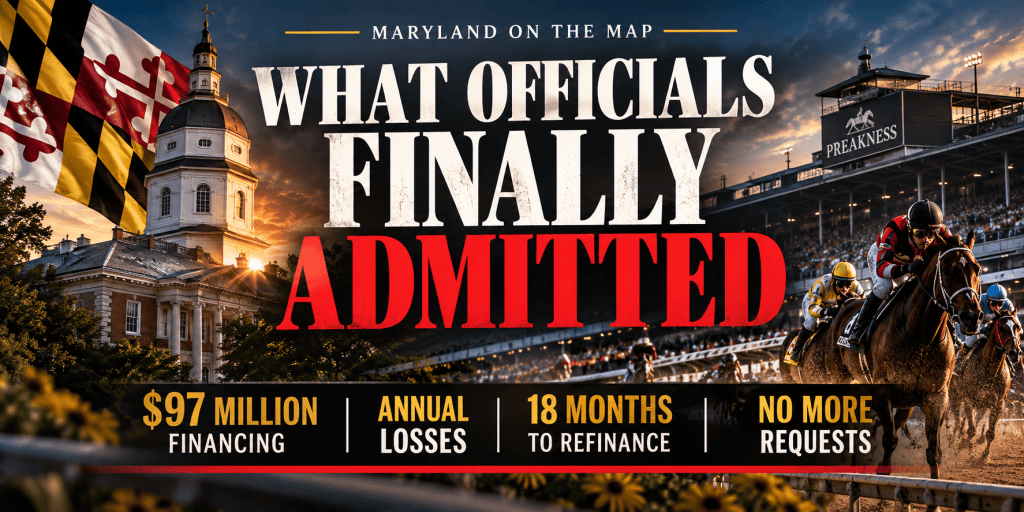
Maryland on the Map: What Officials Finally Admitted to the General Assembly
Maryland officials told lawmakers the MJC loses money throughout the year, MEDCO financed the Preakness IP with a $97 million unrated loan, and the Stadium Authority does not intend to seek additional state funding.
-

Who Actually Paid for the New M&T Bank Stadium
The Ravens recently completed a $489 million renovation of M&T Bank Stadium, funded largely by public bonds from a 2022 state law. Team President Sashi Brown thanked Maryland residents and politicians. The Ravens retain all revenue from the stadium, while taxpayers face questions about the project’s returns on their investment.
-

Camden Yards Emerges as Front-Runner for 2030 MLB All-Star Game, 37 Years After Its Last Turn
Baltimore may host the 2030 Major League Baseball All-Star Game, marking its first since 1993. Although the Orioles have not submitted a formal bid, support is growing due to the ballpark’s renovations and city incentives. Economic projections are tempered by skepticism about actual tourism impact versus initial estimates.
-
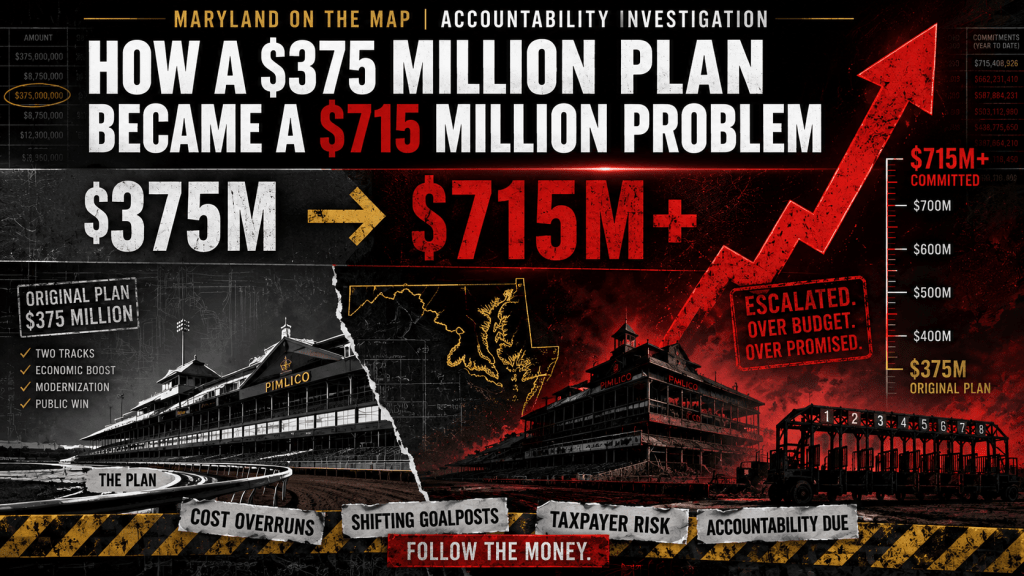
How a $375 Million Plan Became a $715 Million Problem
Maryland’s horse racing redevelopment plan escalated from $375 million to over $715 million through five decisions made without public cost-benefit analyses. Key decisions included concentrating racing at a rebuilt Pimlico, abandoning Shamrock Farm, purchasing Laurel Park, and acquiring the Preakness IP, all while lacking transparency and accountability.
-
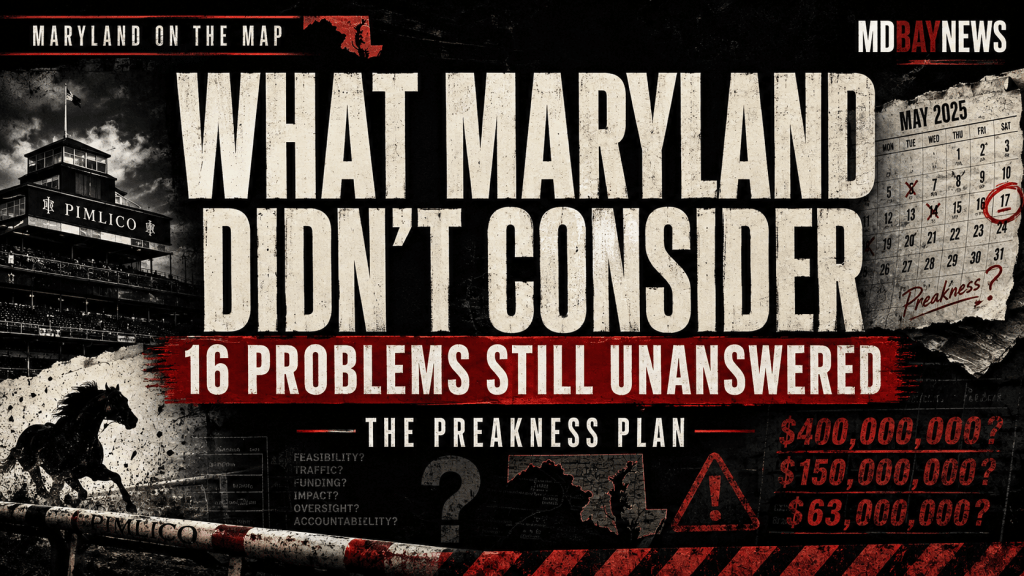
What Maryland Didn’t Consider
The Preakness announcement led to a new broadcast deal and date but did not resolve sixteen existing issues—eight created by Maryland and eight inherited from the industry. Key problems include reduced betting handle on Sundays and competition with major events like the PGA Championship, requiring Maryland to address structural shortcomings for racing’s future.
-
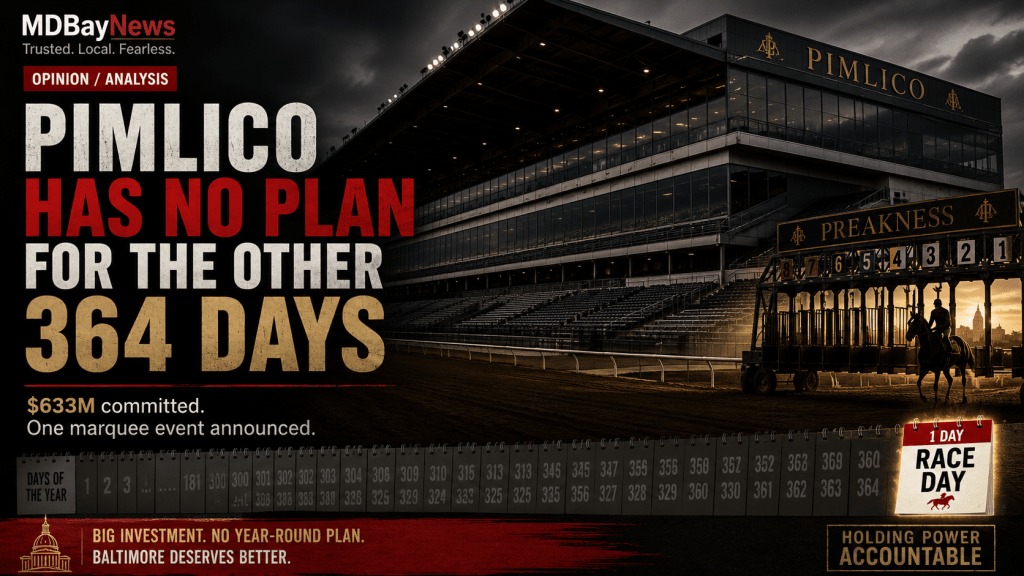
Pimlico Has No Plan for the Other 364 Days
The new Pimlico Race Course, meant to be a year-round economic hub, currently supports only the Preakness Stakes, raising concerns about its long-term viability. Despite significant investments, no substantial programming or events are announced for the remaining 364 days, provoking skepticism among local residents and officials regarding its projected economic impact.
-
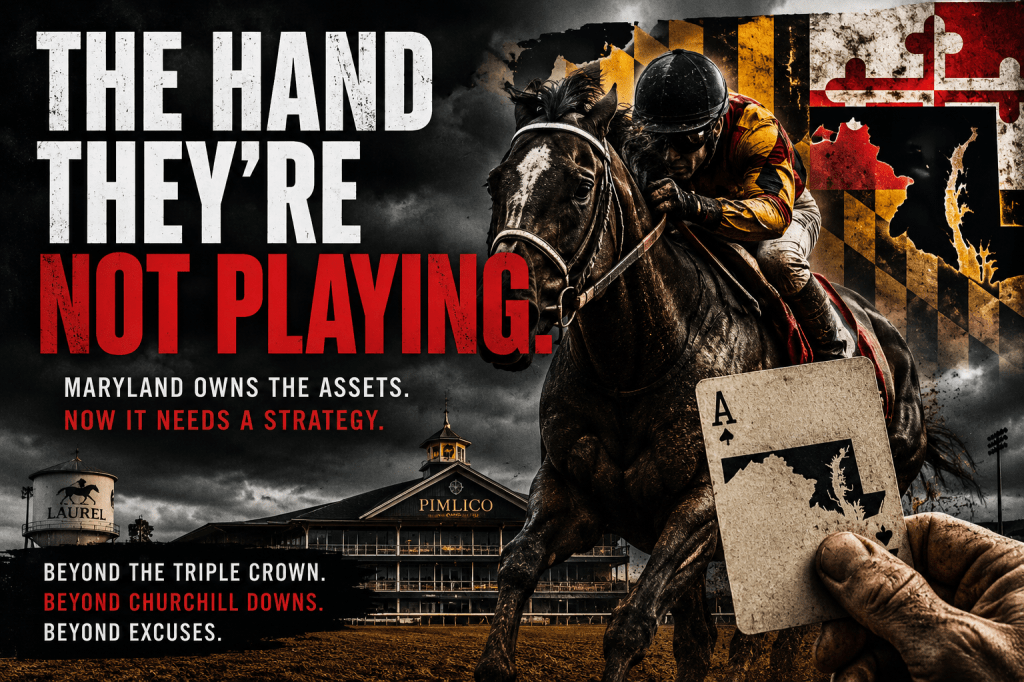
The Hand They’re Not Playing: How Maryland Can Rebuild Horse Racing After the Preakness Shake-Up
Maryland faces a critical moment in revitalizing the Preakness and its horse racing legacy. With options to build independent coalitions and focus on a four-race calendar, Maryland has the chance to create a significant racing framework by 2028. Immediate action is necessary to secure this future and leverage its unique assets.
-

What CDI Does With Tracks It Owns
Churchill Downs Incorporated (CDI) has a documented strategy for acquiring and managing racetracks, evident in its closure of Arlington Park and relocation of prestigious races to Colonial Downs. Maryland’s $85 million investment to secure the Preakness IP aimed to prevent such an outcome, ensuring the race’s future remains tied to its heritage, not CDI’s corporate…
-
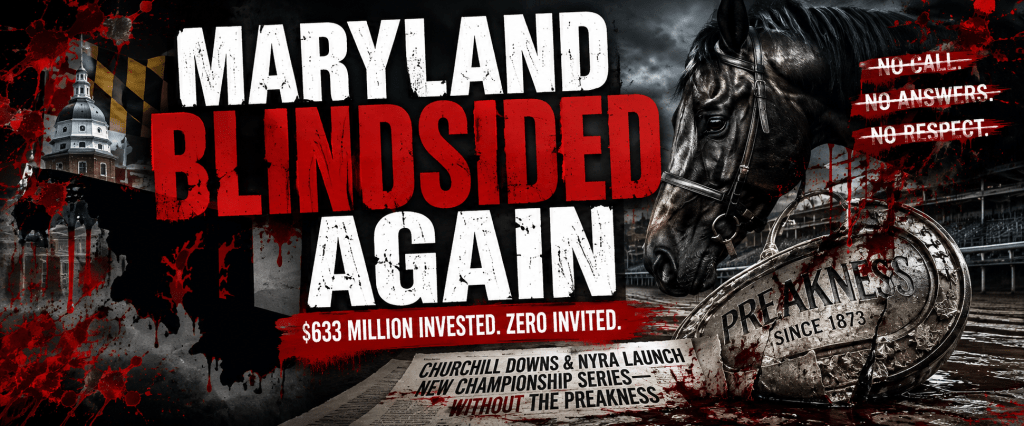
Blindsided, Again
Churchill Downs announced a Thoroughbred Championship Series without including the Preakness Stakes, surprising Maryland officials who only learned of the plan through media. This follows Maryland’s $85 million acquisition of the Preakness IP. The series threatens the future of the Preakness and represents a significant strategic shift in American racing.
-
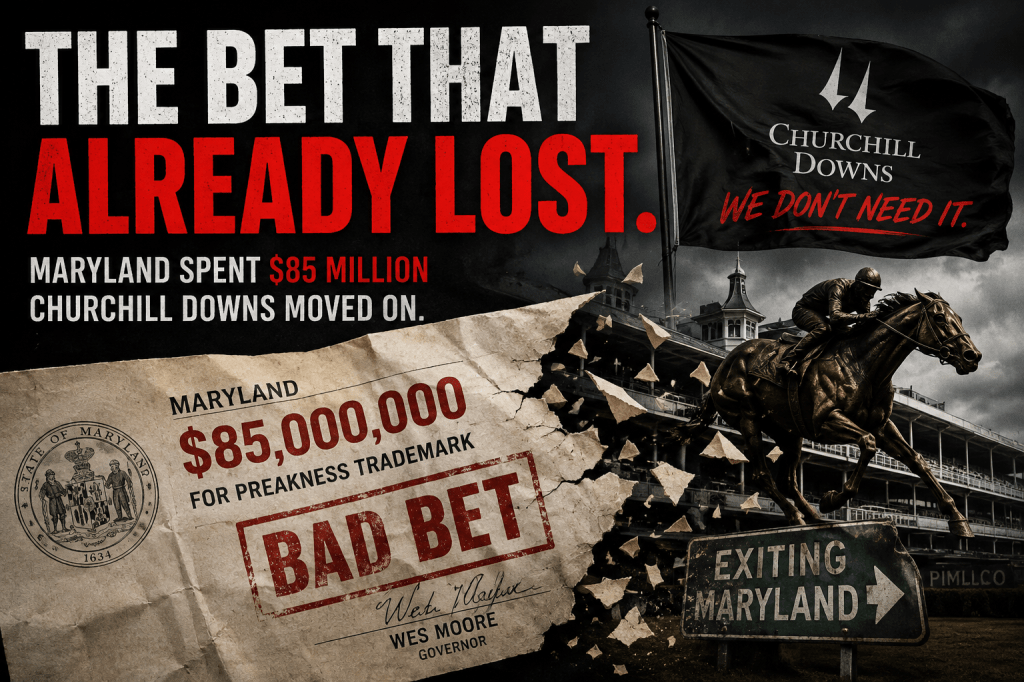
The Bet That Already Lost
Governor Wes Moore’s $85 million investment in Preakness Stakes’ intellectual property failed as Churchill Downs built a competing championship series, omitting the Preakness. CDI strategically divested remaining Maryland properties, indicating its departure from the state. Maryland’s efforts to secure horse racing prominence were undermined, raising concerns about governance and operational competency.

