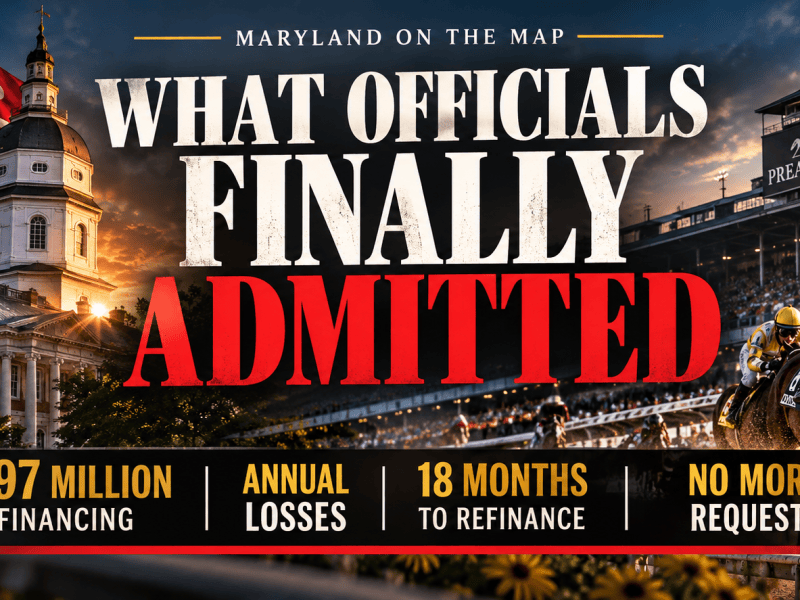
Maryland on the Map: What Officials Finally Admitted to the General Assembly
Maryland officials told lawmakers the MJC loses money throughout the year, MEDCO financed the Preakness IP with a $97 million unrated loan, and the Stadium Authority does not intend to seek additional state funding.

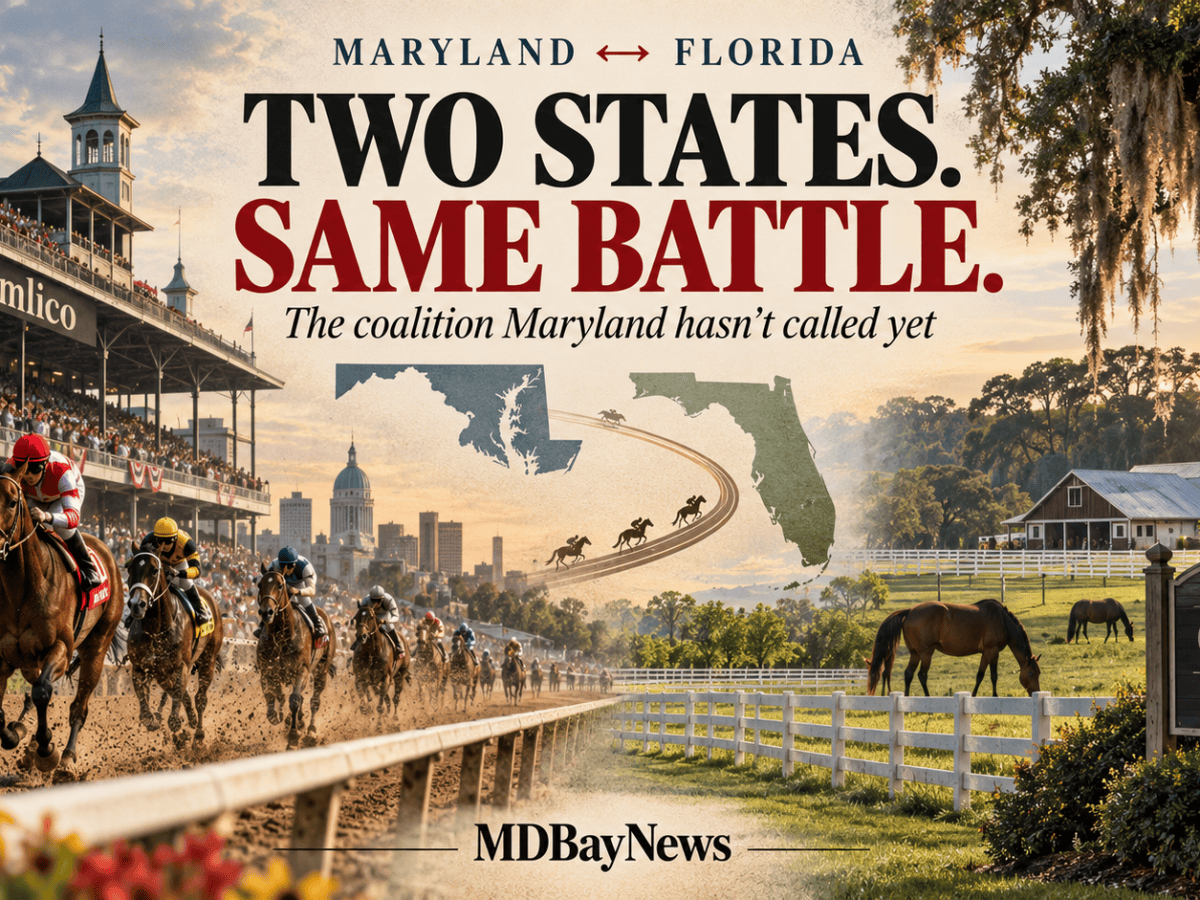
The Coalition Maryland Hasn’t Called Yet
A new track is being built in Florida’s horse country by serious people with serious money — fighting the same structural battle Maryland is fighting. Maryland should be on the phone. While Maryland’s Racing Commission held its August meeting largely in silence and the Governor’s office has yet to announce a single coalition partner for…
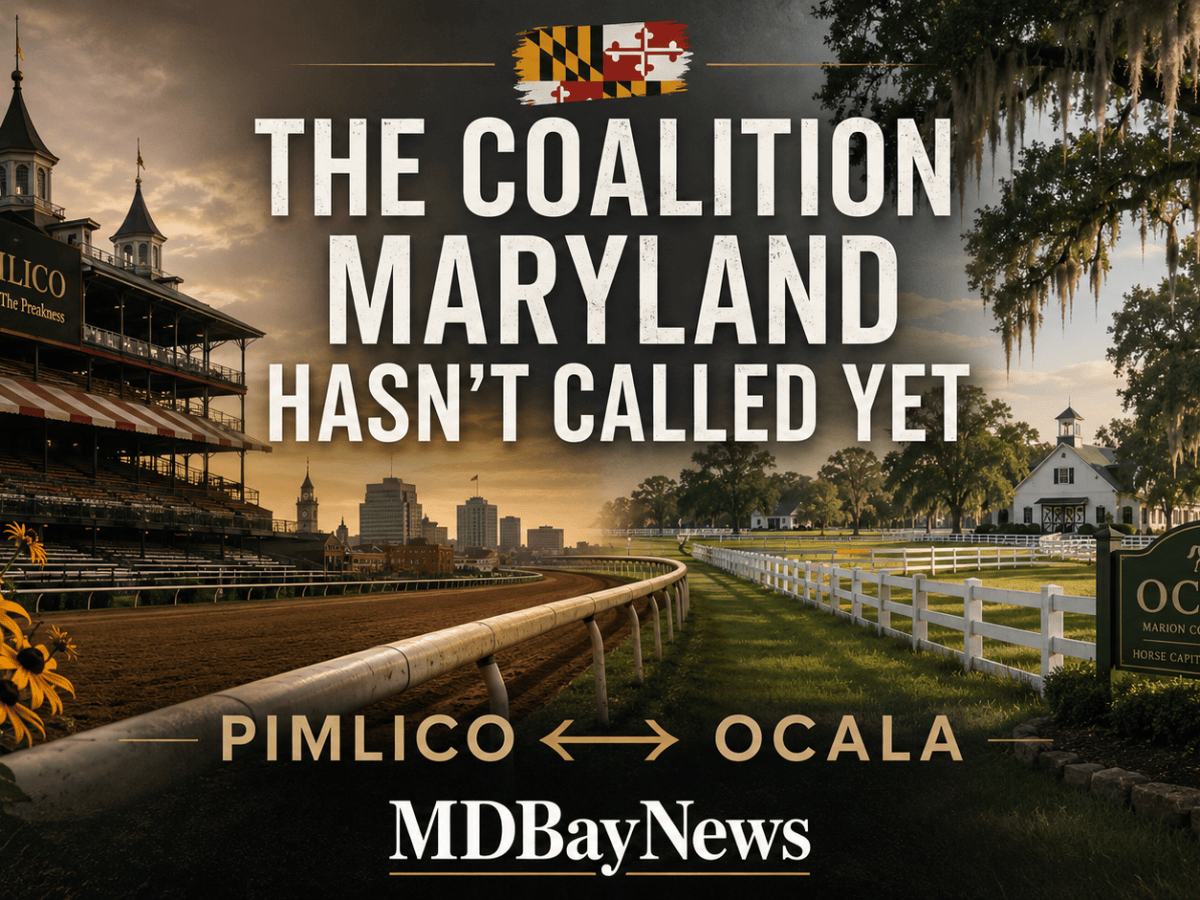
The Coalition Maryland Hasn’t Called Yet
Florida’s Gilligan Racing is building a new thoroughbred track to protect racing from the same consolidation pressures Maryland faces. With Pimlico being rebuilt and the Preakness secured, Maryland should be talking to them now.
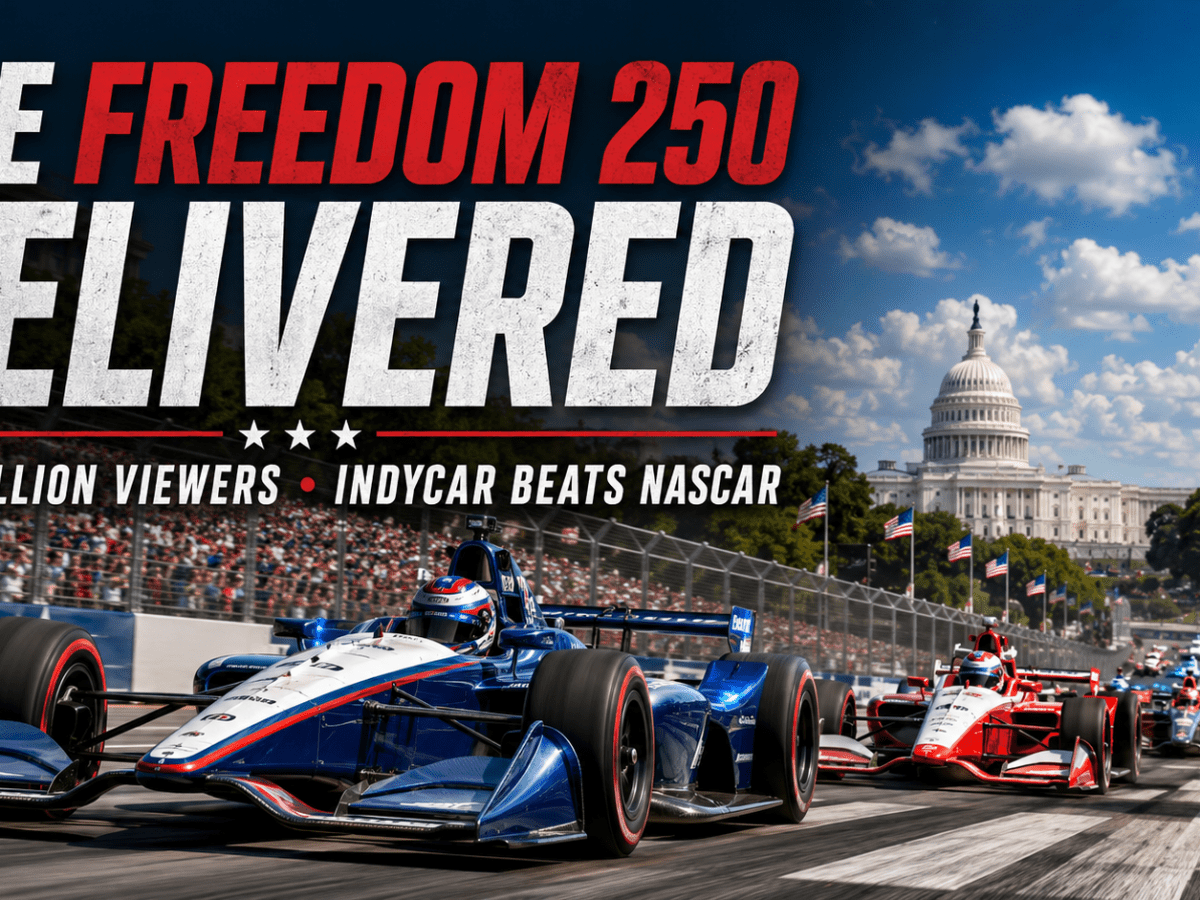
The Freedom 250 Actually Worked. The Numbers Prove It.
The Freedom 250 came with politics, public subsidies and plenty of spectacle. But one thing is difficult to argue with: the Washington street race delivered enormous TV numbers, unprecedented media exposure and a rare head-to-head victory for IndyCar over NASCAR.
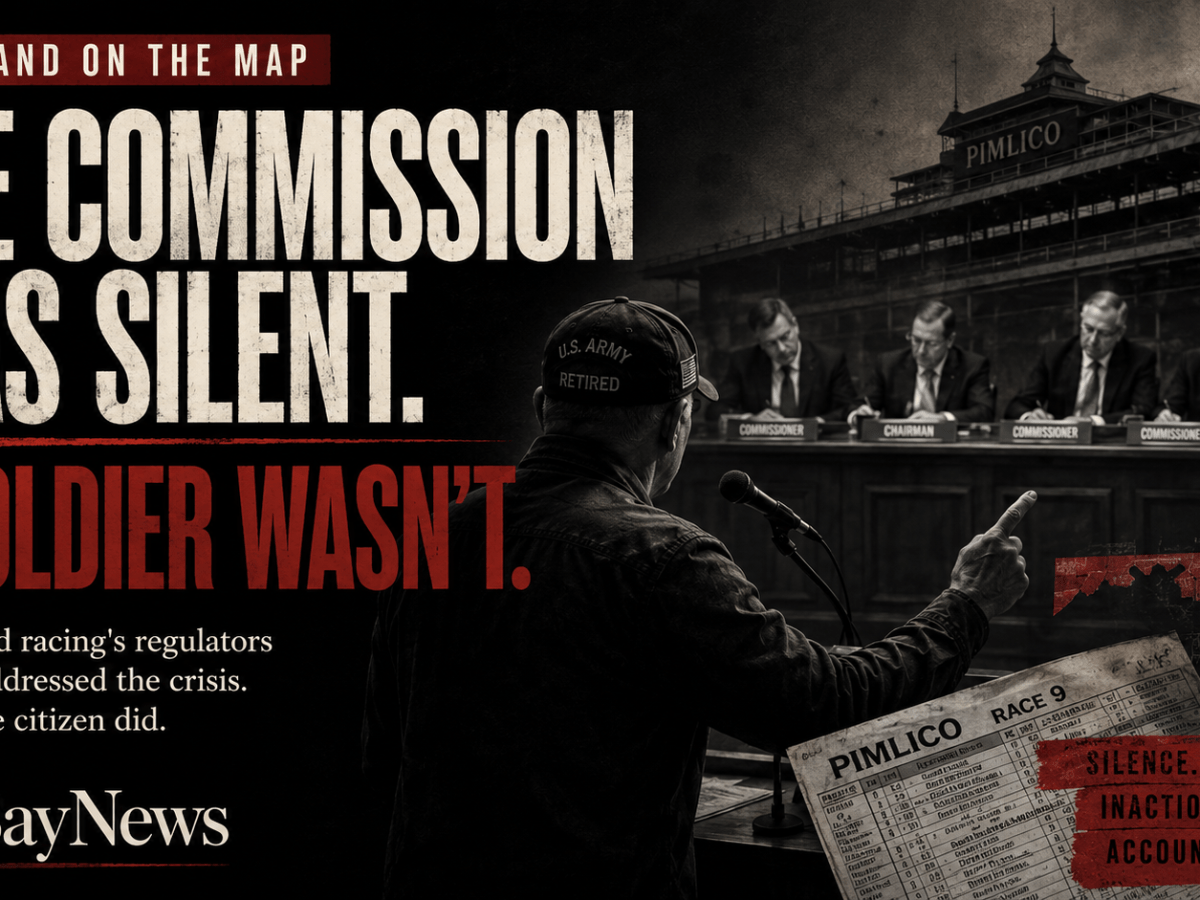
The Commission Was Silent. A Soldier Wasn’t.
Maryland’s Racing Commission met for the first time since significant changes in the horse racing schedule, mostly remaining silent on pressing issues. Retired Colonel Damon Knauss criticized the commission’s lack of action and proposed moving the Preakness to April to enhance its importance. His comments highlighted the need for proactive responses to recent challenges.
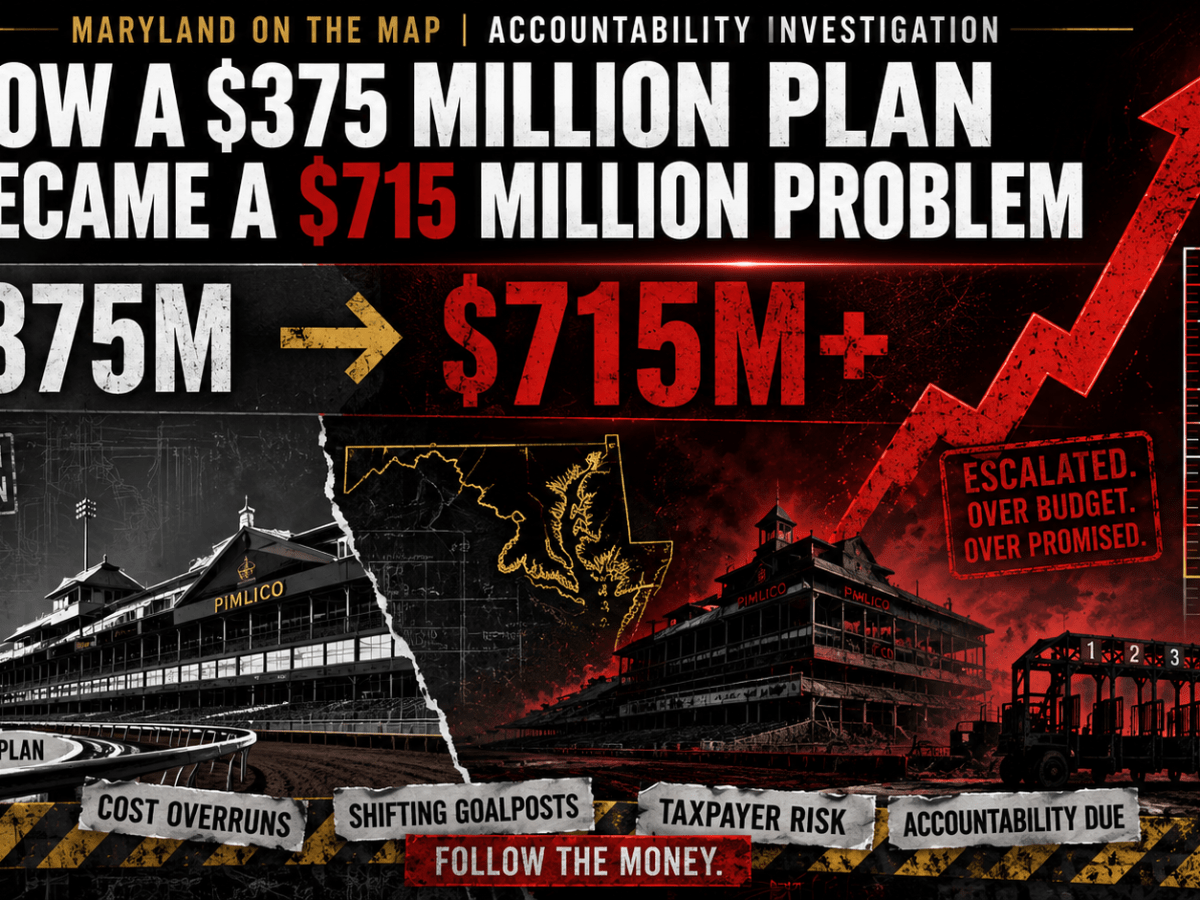
How a $375 Million Plan Became a $715 Million Problem
Maryland’s horse racing redevelopment plan escalated from $375 million to over $715 million through five decisions made without public cost-benefit analyses. Key decisions included concentrating racing at a rebuilt Pimlico, abandoning Shamrock Farm, purchasing Laurel Park, and acquiring the Preakness IP, all while lacking transparency and accountability.
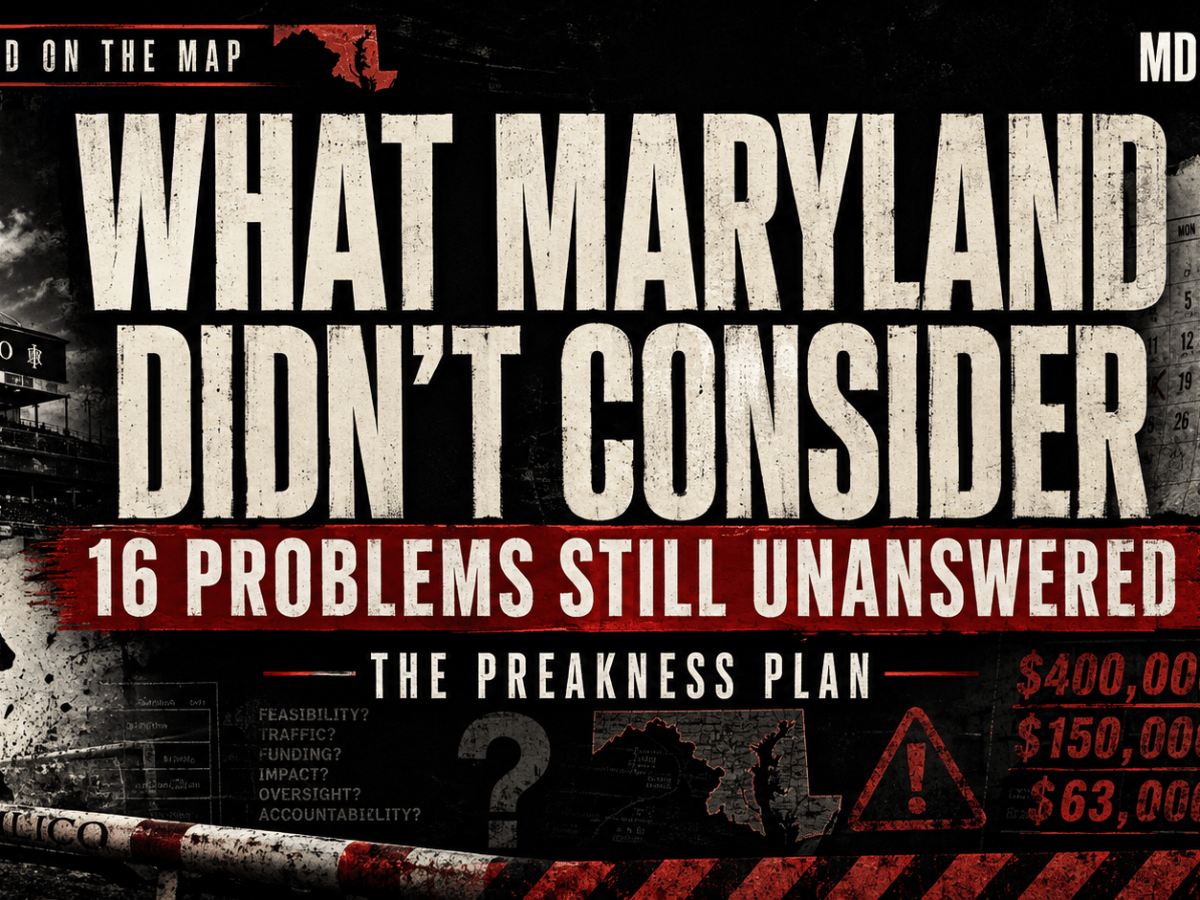
What Maryland Didn’t Consider
The Preakness announcement led to a new broadcast deal and date but did not resolve sixteen existing issues—eight created by Maryland and eight inherited from the industry. Key problems include reduced betting handle on Sundays and competition with major events like the PGA Championship, requiring Maryland to address structural shortcomings for racing’s future.
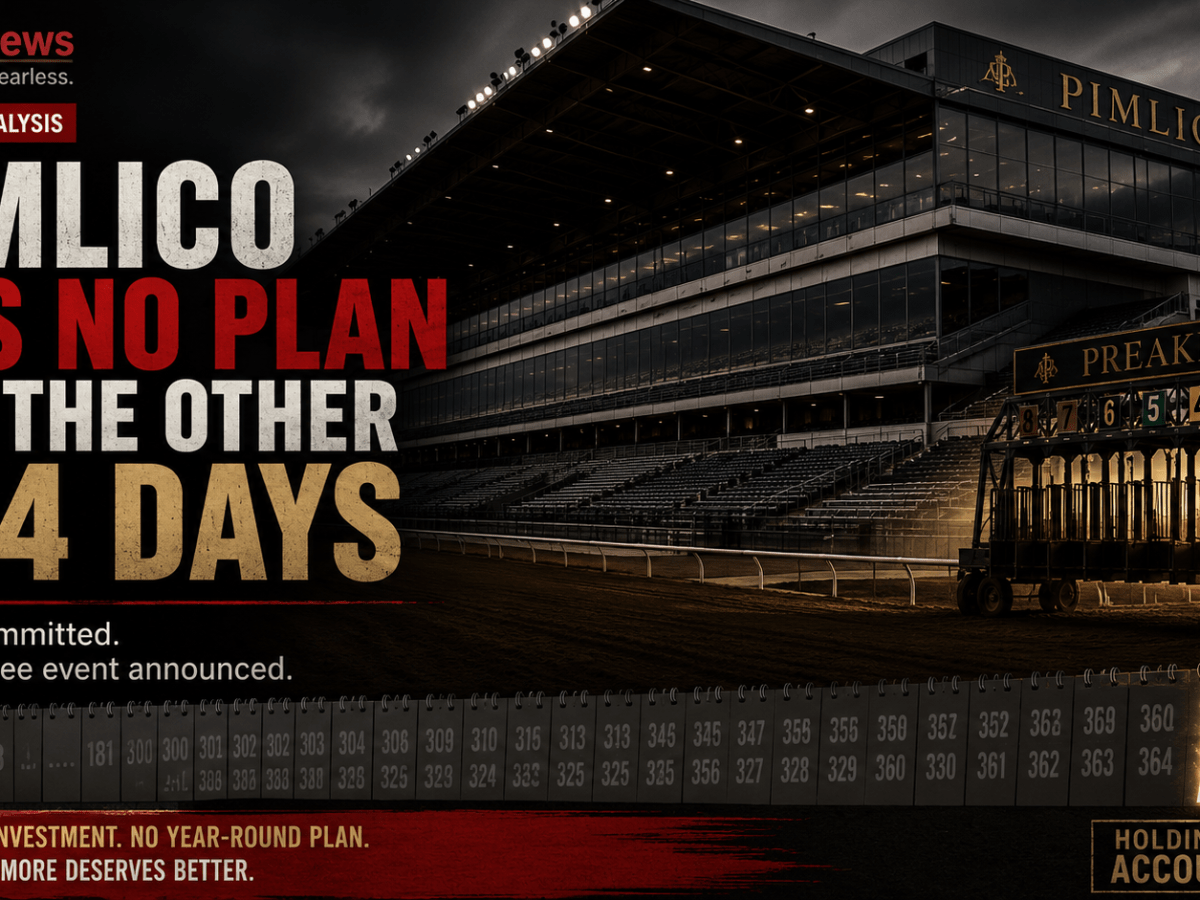
Pimlico Has No Plan for the Other 364 Days
The new Pimlico Race Course, meant to be a year-round economic hub, currently supports only the Preakness Stakes, raising concerns about its long-term viability. Despite significant investments, no substantial programming or events are announced for the remaining 364 days, provoking skepticism among local residents and officials regarding its projected economic impact.
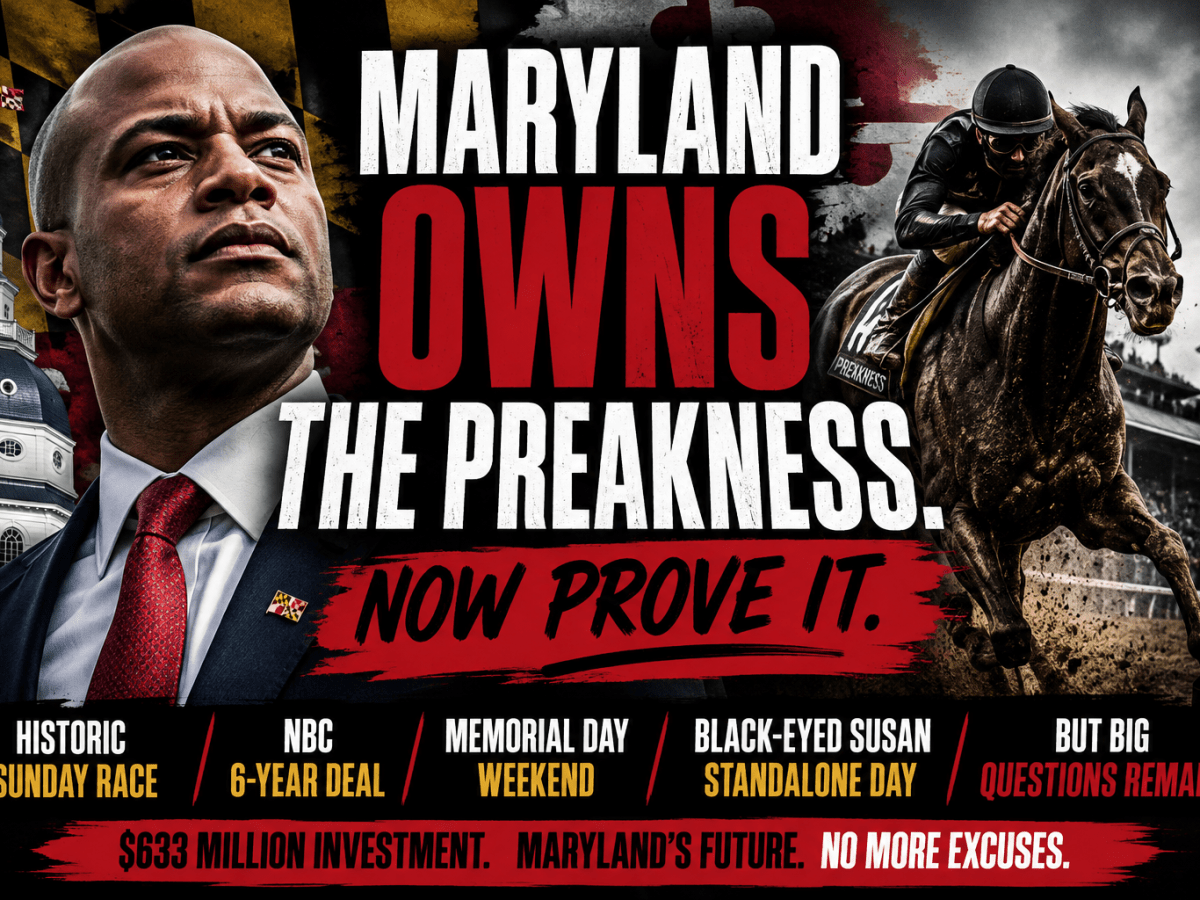
What Moore Announced — And What Comes Next
Governor Wes Moore’s press conference outlined major updates for the Preakness Stakes, including a historic Sunday date and a broadcasting deal with NBC through 2032. While the announcements were substantial, concerns about governance, competition with new racing series, and the economic implications for Maryland’s $633 million investment remain unaddressed.
The Hand They’re Not Playing: How Maryland Can Rebuild Horse Racing After the Preakness Shake-Up
Maryland faces a critical moment in revitalizing the Preakness and its horse racing legacy. With options to build independent coalitions and focus on a four-race calendar, Maryland has the chance to create a significant racing framework by 2028. Immediate action is necessary to secure this future and leverage its unique assets.
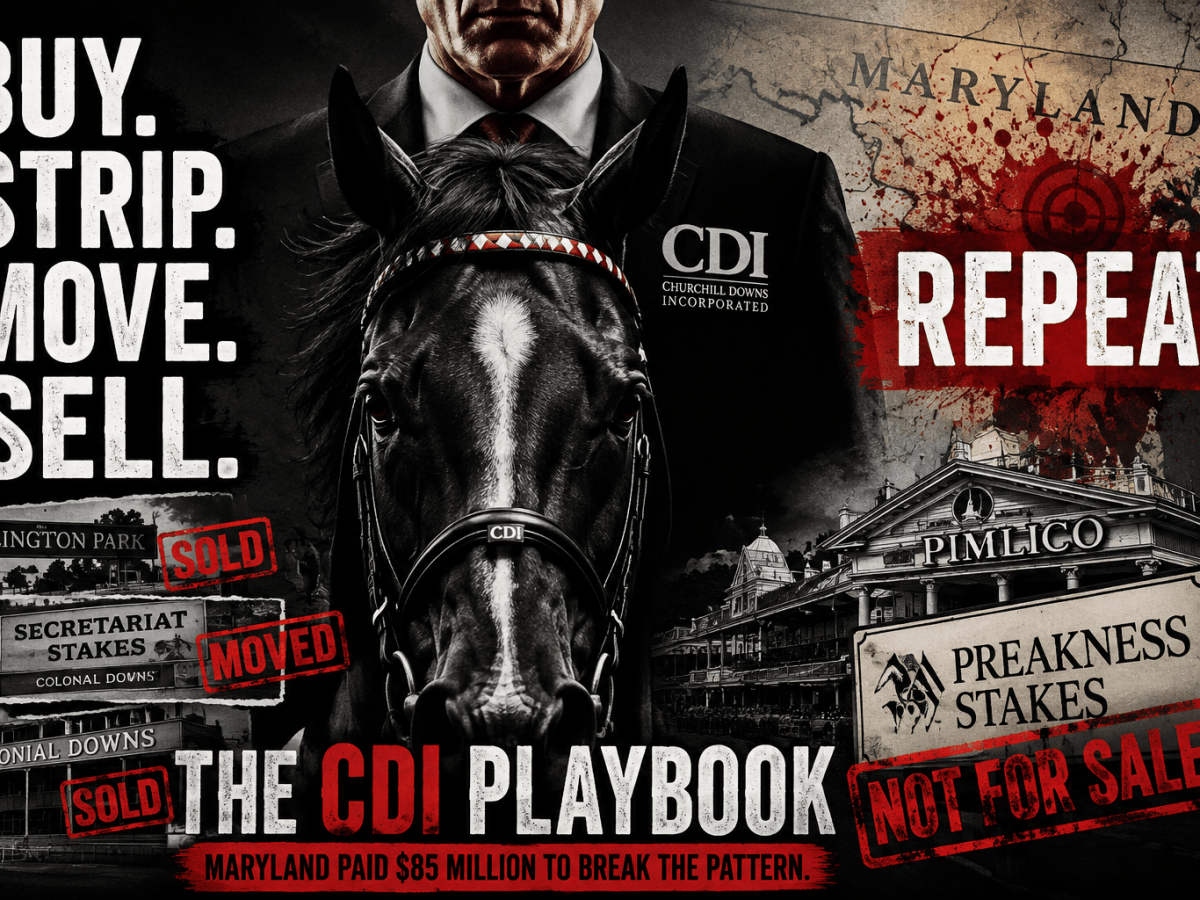
What CDI Does With Tracks It Owns
Churchill Downs Incorporated (CDI) has a documented strategy for acquiring and managing racetracks, evident in its closure of Arlington Park and relocation of prestigious races to Colonial Downs. Maryland’s $85 million investment to secure the Preakness IP aimed to prevent such an outcome, ensuring the race’s future remains tied to its heritage, not CDI’s corporate…
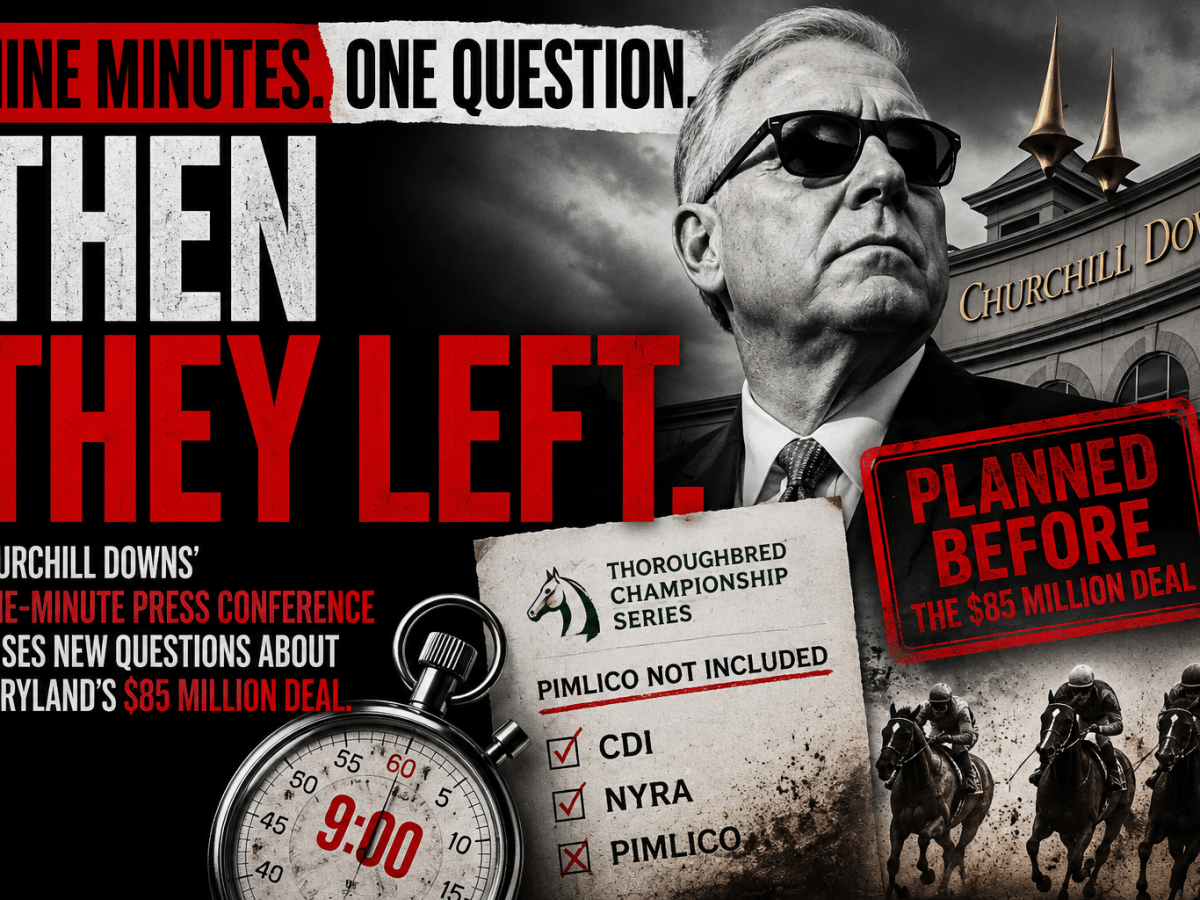
Nine Minutes. One Question.
The press conference by CDI and NYRA lasted only nine minutes, addressing their new Thoroughbred Championship Series, which excludes Maryland’s Preakness. This prompted criticism regarding the lack of communication and potential negative impact on the Triple Crown. Maryland may face challenges if included in the series under CDI’s terms.
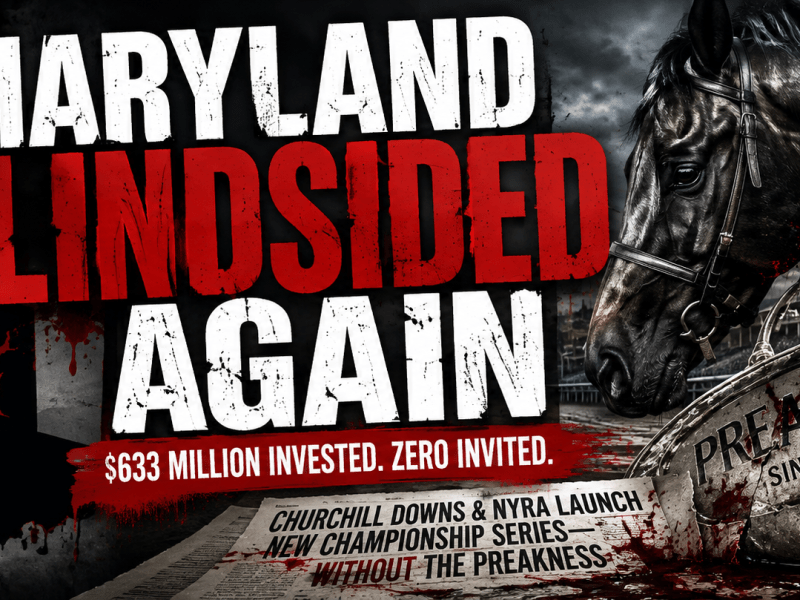
Blindsided, Again
Churchill Downs announced a Thoroughbred Championship Series without including the Preakness Stakes, surprising Maryland officials who only learned of the plan through media. This follows Maryland’s $85 million acquisition of the Preakness IP. The series threatens the future of the Preakness and represents a significant strategic shift in American racing.
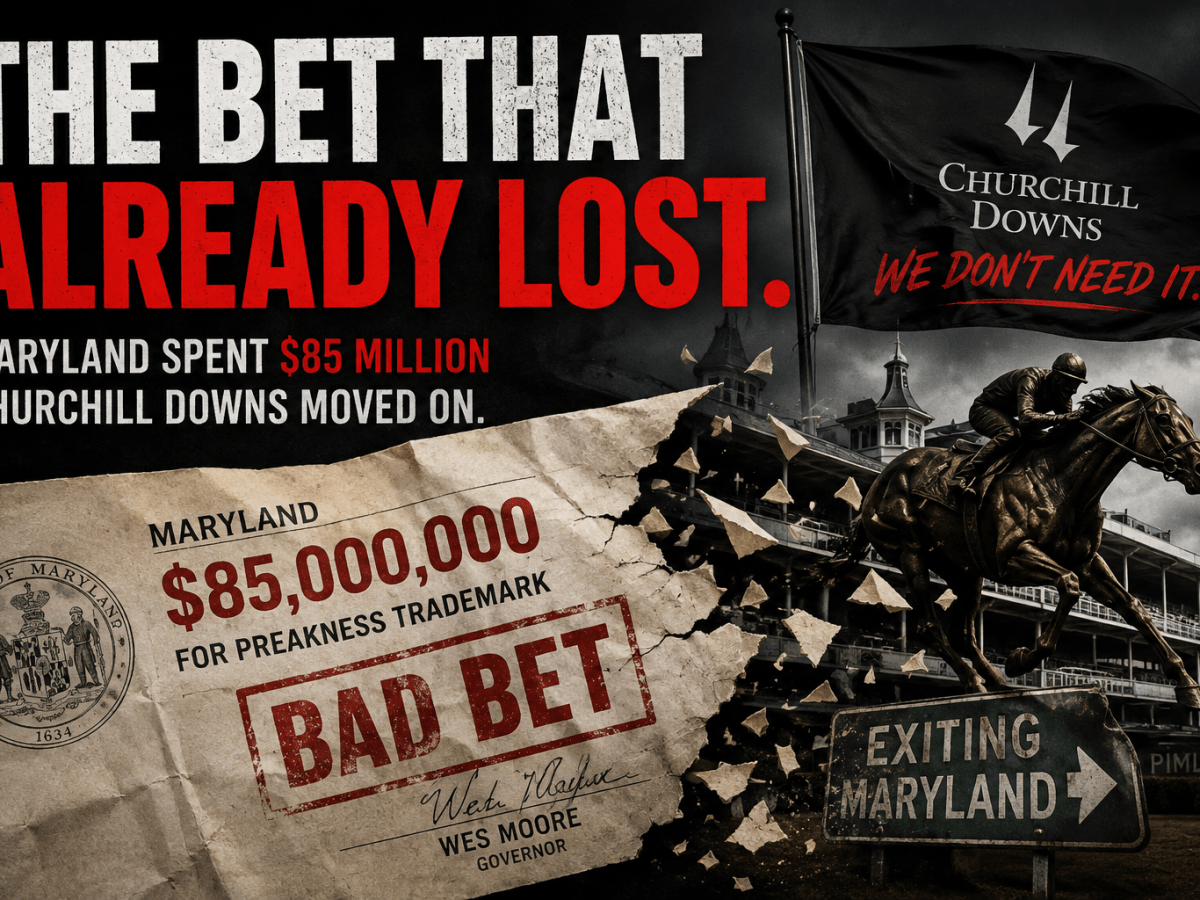
The Bet That Already Lost
Governor Wes Moore’s $85 million investment in Preakness Stakes’ intellectual property failed as Churchill Downs built a competing championship series, omitting the Preakness. CDI strategically divested remaining Maryland properties, indicating its departure from the state. Maryland’s efforts to secure horse racing prominence were undermined, raising concerns about governance and operational competency.
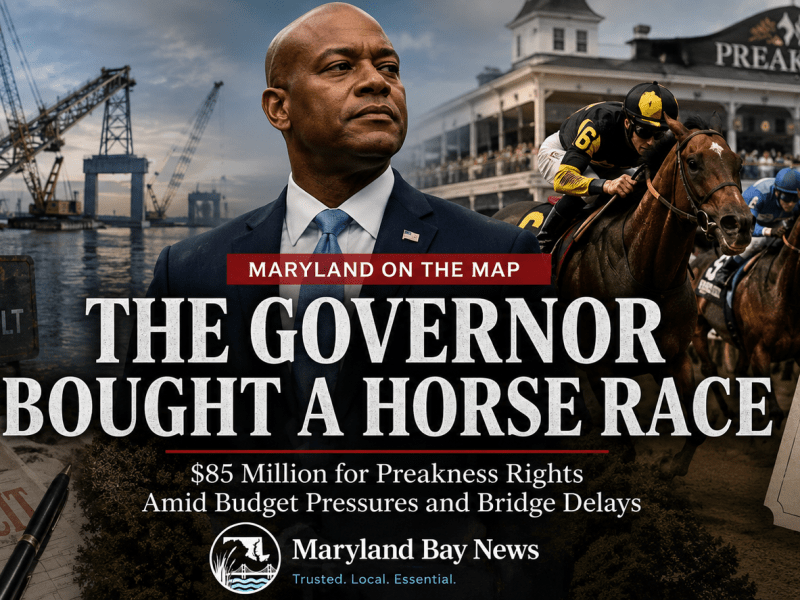
The Governor Bought a Horse Race
Governor Wes Moore’s administration committed $85 million in taxpayer funds to acquire the Preakness Stakes brand, amid rising costs and budget deficits in Maryland. Critics argue this move prioritizes political gain over essential infrastructure needs and question the governance and management of this state-owned commercial property, with significant financial risks involved.
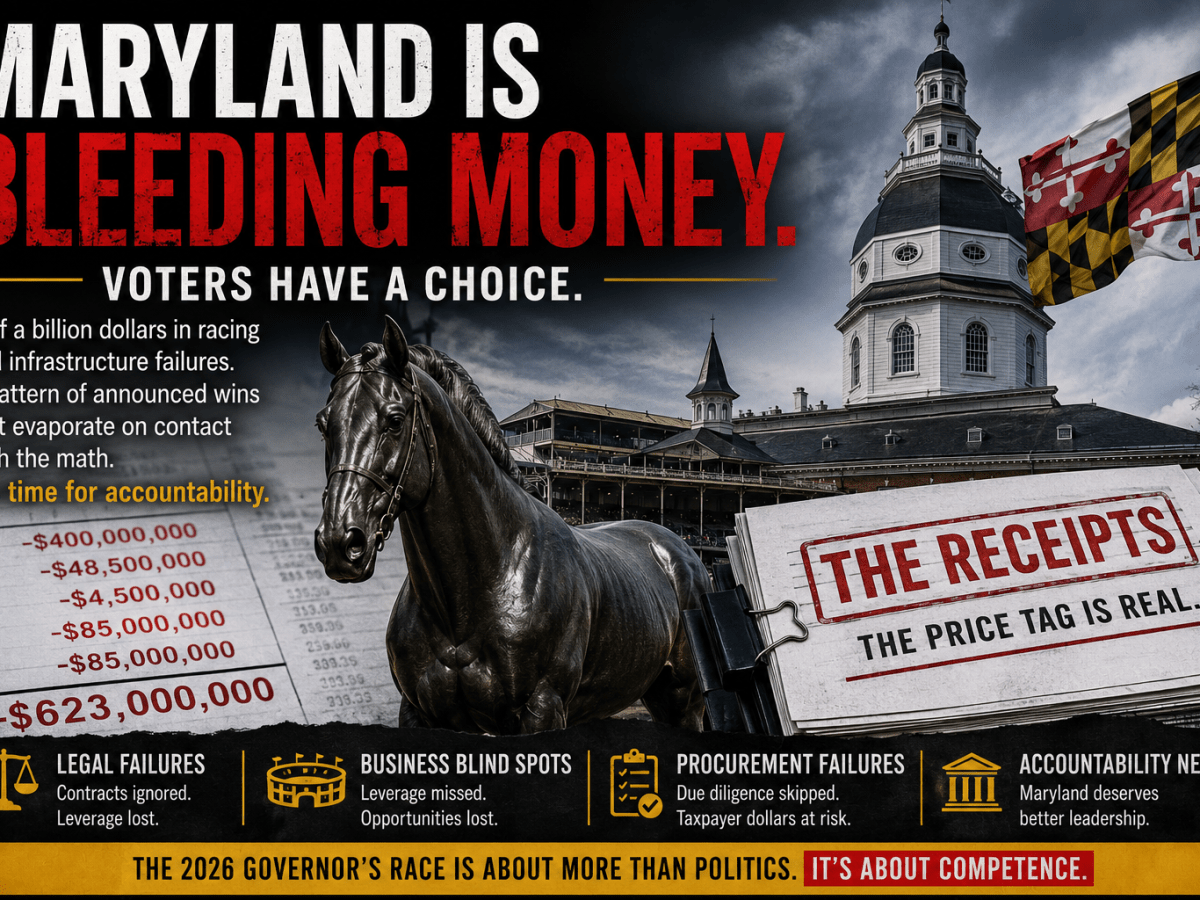
Maryland Is Bleeding Money. Voters Have a Choice.
Maryland’s upcoming Republican primary reveals significant governance failures under Wes Moore’s administration, particularly regarding costly public investments in racing. The state faces scrutiny over mismanaged deals like the Churchill Downs acquisition. Republican candidates Dan Cox, Ed Hale, and John Myrick offer specialized skills to address these procurement and legal issues, challenging Moore’s record.
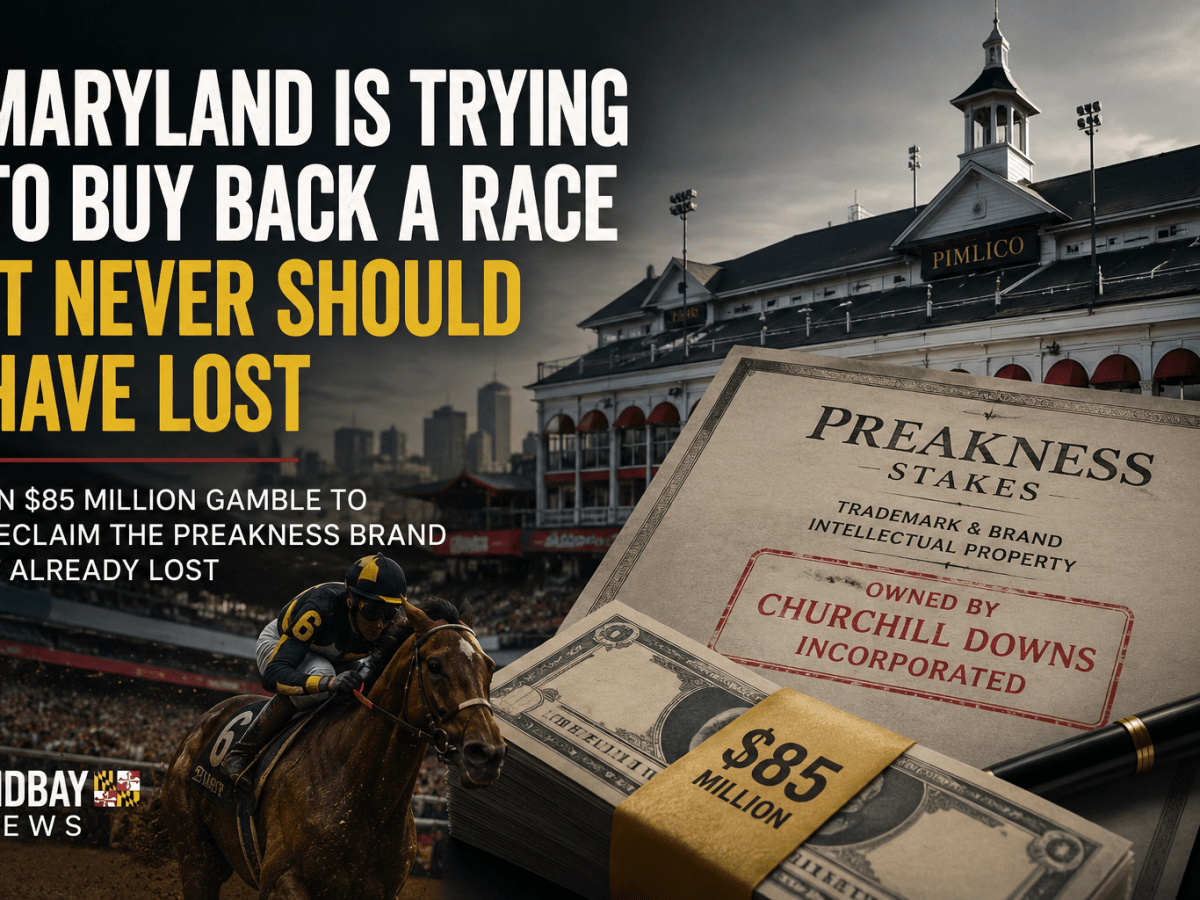
Maryland Is Trying to Buy Back a Race It Never Should Have Lost
Maryland plans to spend $85 million to reacquire the Preakness Stakes brand, previously owned by Churchill Downs Incorporated (CDI). The state’s history of mismanagement raises concerns about its ability to effectively steward racing assets. CDI, with its successful track record, holds significant leverage in the negotiations.
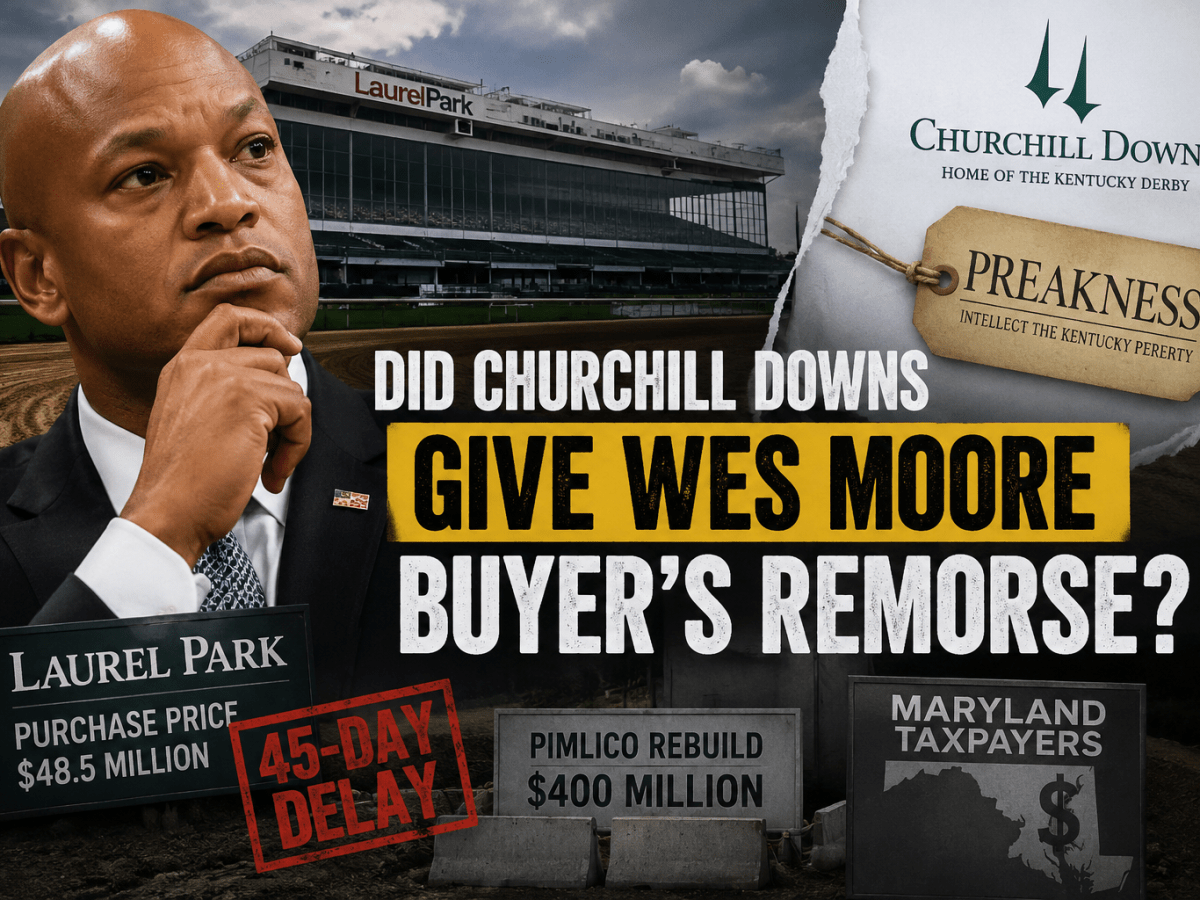
Did Churchill Downs Give Wes Moore Buyer’s Remorse?
Governor Wes Moore’s $48.5 million purchase of Laurel Park, aimed at strengthening Maryland’s thoroughbred racing industry, faces a 45-day financial review that raises concerns. Past mismanagement and Churchill Downs’ acquisition of the Preakness name limit the state’s leverage. Moore must clarify if the investment strategy remains solid amid these challenges.
The Preakness Doesn’t Need the Derby Winner. It Needs a Reason to Matter.
Golden Tempo will skip the Preakness Stakes for health reasons, highlighting a broader issue in Maryland’s horse racing industry. The current Triple Crown format relies too heavily on Derby winners, diminishing the Preakness’s significance. A proposed championship structure could enhance its value and attract competitors, ensuring it remains relevant regardless of Derby participation.
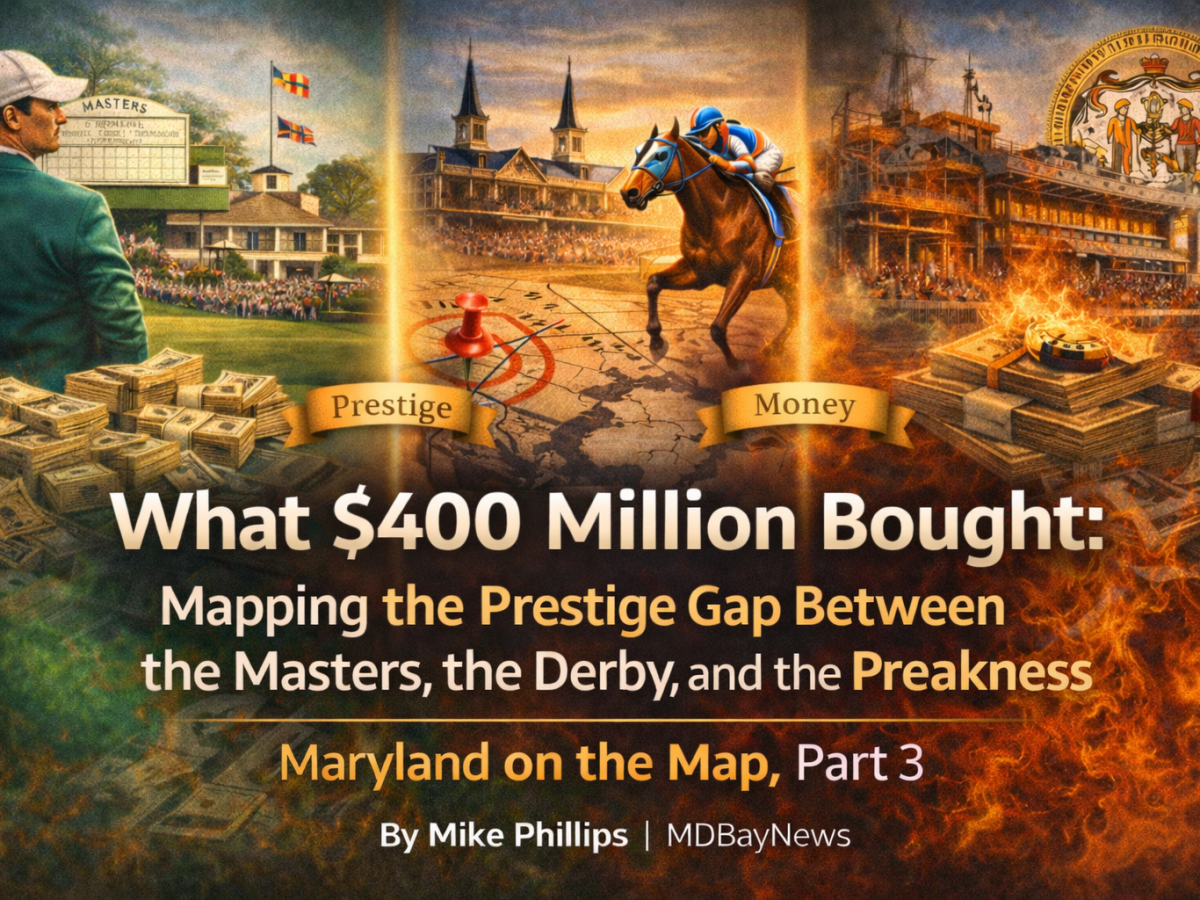
What $400 Million Bought: Mapping the Prestige Gap Between the Masters, the Derby, and the Preakness
The Preakness Stakes faces significant challenges compared to the Kentucky Derby and The Masters, particularly in terms of viewership, economic impact, and event prestige. Maryland has invested heavily in Pimlico’s renovation, but to close the gap, it must enhance broadcast investment and transform Preakness week into a major destination, fostering year-round revenue.

