Tag: Maryland General Assembly
-
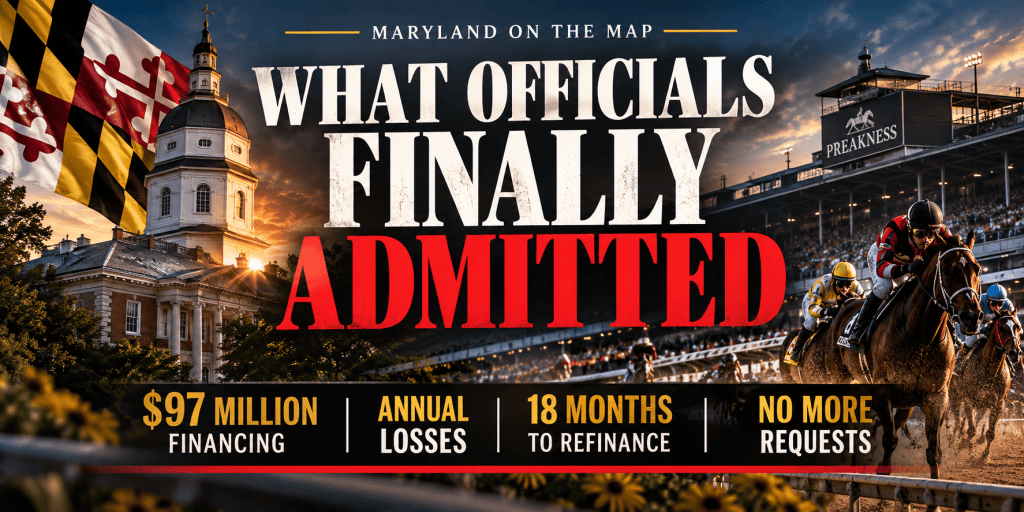
Maryland on the Map: What Officials Finally Admitted to the General Assembly
Maryland officials told lawmakers the MJC loses money throughout the year, MEDCO financed the Preakness IP with a $97 million unrated loan, and the Stadium Authority does not intend to seek additional state funding.
-
While the WNBA Fights Over Sophie Cunningham, Maryland Quietly Stays the Course
While Sophie Cunningham and the WNBA fight a national battle over transgender athletes, Maryland has quietly stayed the course. Five years of legislation aimed at changing the state’s girls’ sports policy have ended without a floor vote.
-

Who Actually Paid for the New M&T Bank Stadium
The Ravens recently completed a $489 million renovation of M&T Bank Stadium, funded largely by public bonds from a 2022 state law. Team President Sashi Brown thanked Maryland residents and politicians. The Ravens retain all revenue from the stadium, while taxpayers face questions about the project’s returns on their investment.
-
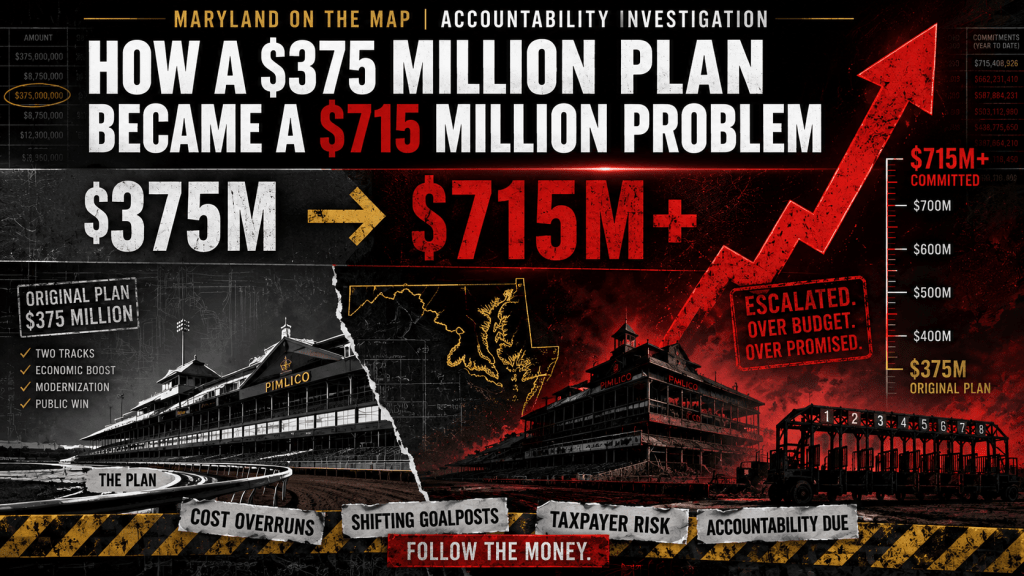
How a $375 Million Plan Became a $715 Million Problem
Maryland’s horse racing redevelopment plan escalated from $375 million to over $715 million through five decisions made without public cost-benefit analyses. Key decisions included concentrating racing at a rebuilt Pimlico, abandoning Shamrock Farm, purchasing Laurel Park, and acquiring the Preakness IP, all while lacking transparency and accountability.
-
Supreme Court Clears States to Bar Transgender Athletes From Girls’ Sports — Where Does That Leave Maryland?
The U.S. Supreme Court ruled that states can restrict girls’ sports teams to biological females, affecting laws in West Virginia and Idaho. This 6-3 decision allows states to define eligibility without individual assessments of transgender athletes, impacting future legislation like Maryland’s proposed “Fairness in Girls’ Sports Act.”
-
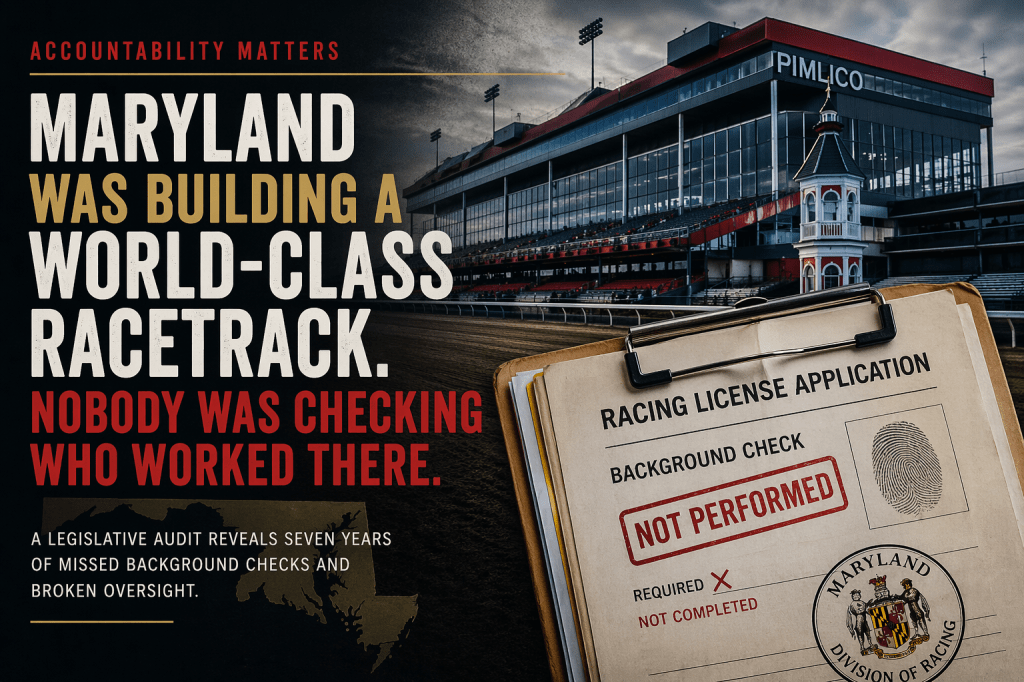
Maryland Was Building a World-Class Racetrack. Nobody Was Checking Who Worked There.
A Maryland audit revealed that the Division of Racing issued nearly 6,000 licenses annually without conducting required criminal background checks since 2018, due to a broken fingerprinting machine. The lack of oversight allowed individuals with criminal histories to be licensed, raising concerns over agency accountability amidst significant state investment in the horse racing industry.
-

Maryland Cuts Sports Event Funding — And Pimlico Is Paying the Price
Maryland lawmakers are cutting funding for sports and tourism, negatively impacting events like the 5 Star at Pimlico. This shift raises concerns about economic tradeoffs and undermines local job creation and tourism revenue. Critics argue these cuts jeopardize long-term competitiveness as other states continue to invest in sports tourism.
-
HB63: Fairness in Girls’ Sports Act Sparks Fresh Clash in Annapolis
The Fairness in Girls’ Sports Act (HB63) is being debated in the Maryland General Assembly. Introduced by Kathy Szeliga, it mandates designating school sports and locker rooms based on biological sex. Supporters emphasize fairness, while opponents cite discrimination. The bill’s history reflects ongoing tensions over transparency and inclusion in legislative discussions.

