Tag: Maryland horse racing
-
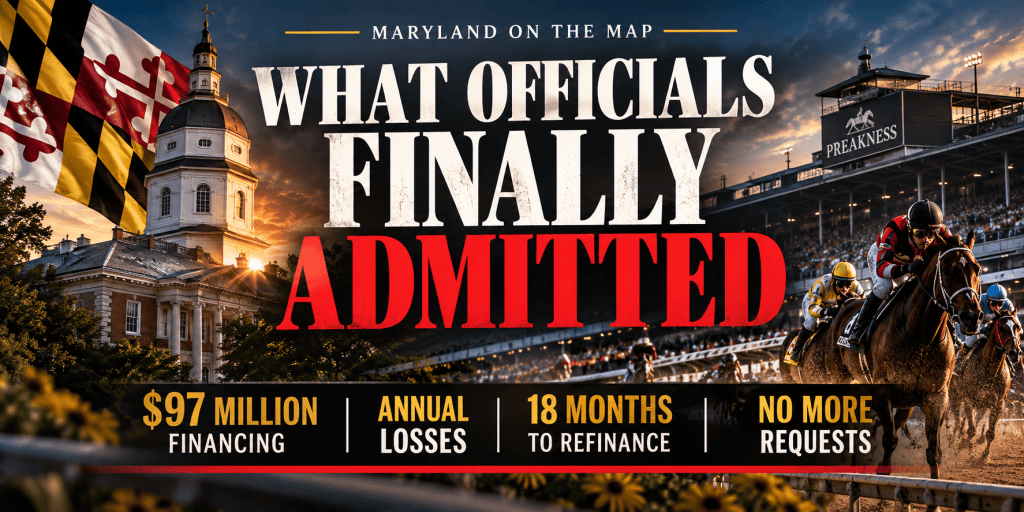
Maryland on the Map: What Officials Finally Admitted to the General Assembly
Maryland officials told lawmakers the MJC loses money throughout the year, MEDCO financed the Preakness IP with a $97 million unrated loan, and the Stadium Authority does not intend to seek additional state funding.
-
The Coalition Maryland Hasn’t Called Yet
A new track is being built in Florida’s horse country by serious people with serious money — fighting the same structural battle Maryland is fighting. Maryland should be on the phone. While Maryland’s Racing Commission held its August meeting largely in silence and the Governor’s office has yet to announce a single coalition partner for…
-
The Coalition Maryland Hasn’t Called Yet
Florida’s Gilligan Racing is building a new thoroughbred track to protect racing from the same consolidation pressures Maryland faces. With Pimlico being rebuilt and the Preakness secured, Maryland should be talking to them now.
-
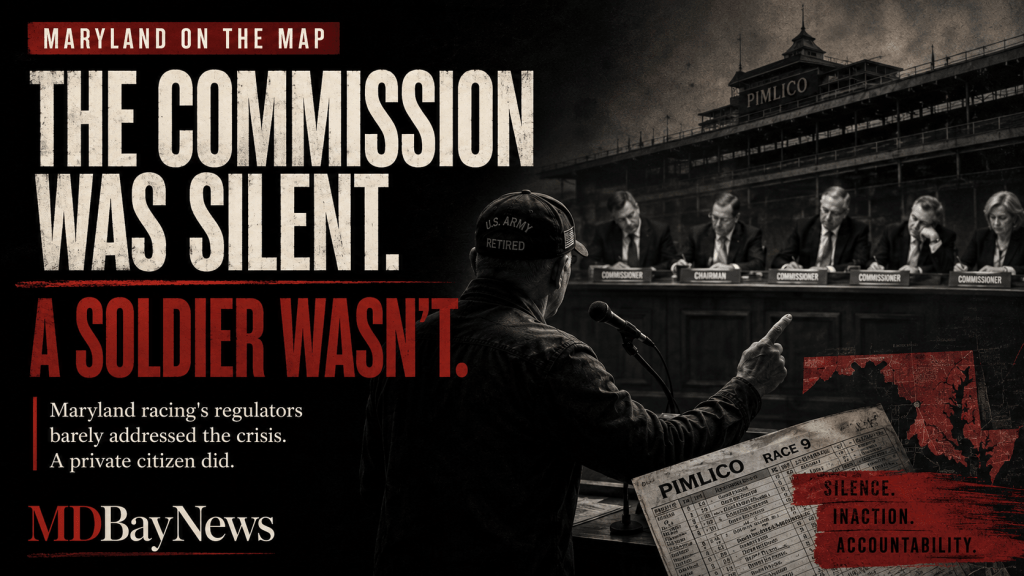
The Commission Was Silent. A Soldier Wasn’t.
Maryland’s Racing Commission met for the first time since significant changes in the horse racing schedule, mostly remaining silent on pressing issues. Retired Colonel Damon Knauss criticized the commission’s lack of action and proposed moving the Preakness to April to enhance its importance. His comments highlighted the need for proactive responses to recent challenges.
-
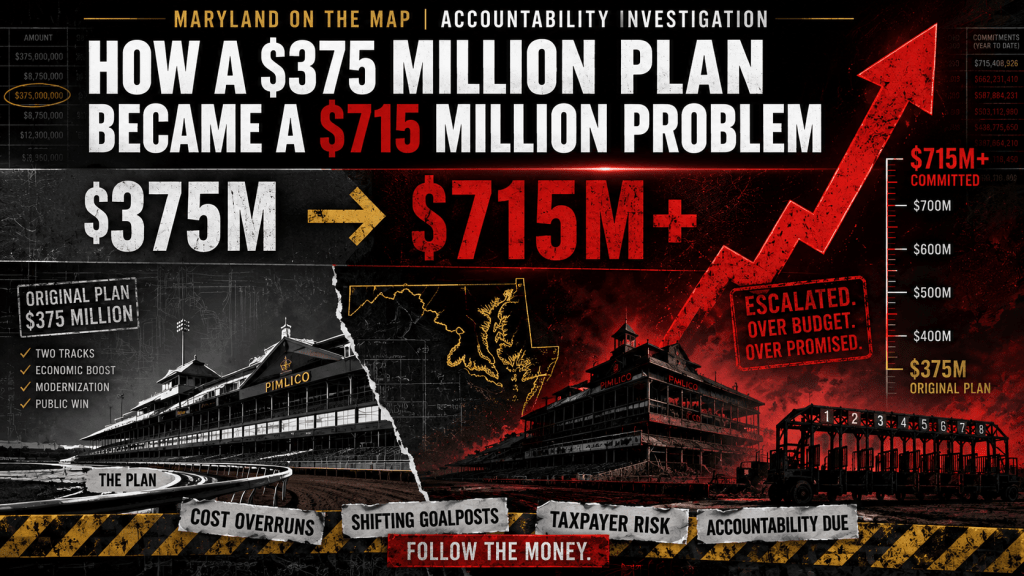
How a $375 Million Plan Became a $715 Million Problem
Maryland’s horse racing redevelopment plan escalated from $375 million to over $715 million through five decisions made without public cost-benefit analyses. Key decisions included concentrating racing at a rebuilt Pimlico, abandoning Shamrock Farm, purchasing Laurel Park, and acquiring the Preakness IP, all while lacking transparency and accountability.
-
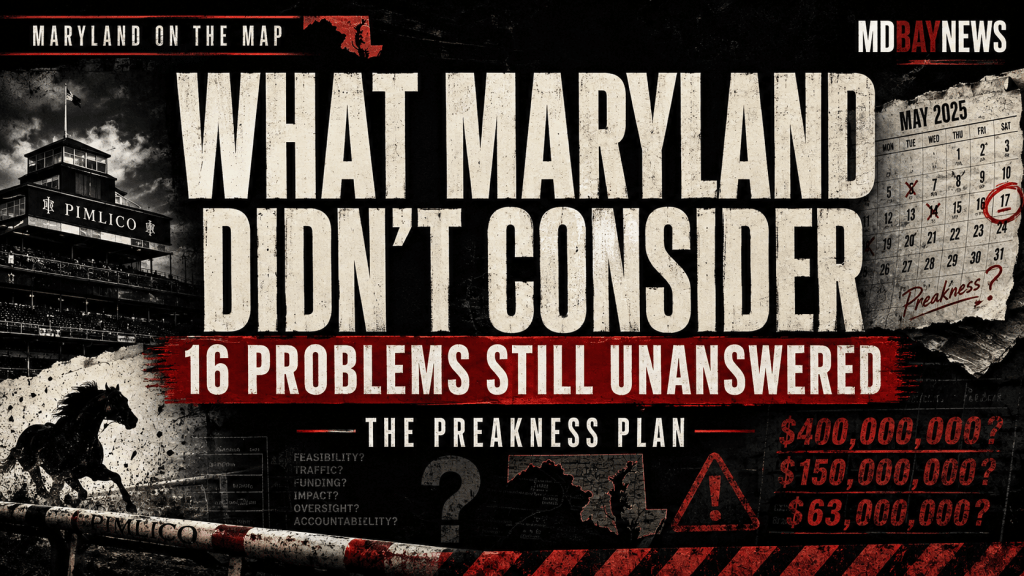
What Maryland Didn’t Consider
The Preakness announcement led to a new broadcast deal and date but did not resolve sixteen existing issues—eight created by Maryland and eight inherited from the industry. Key problems include reduced betting handle on Sundays and competition with major events like the PGA Championship, requiring Maryland to address structural shortcomings for racing’s future.
-
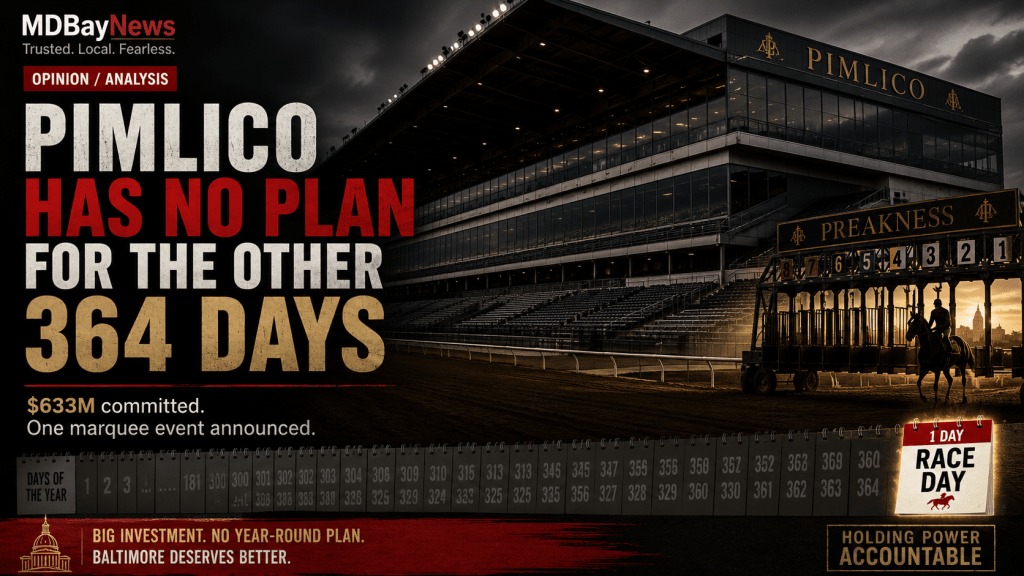
Pimlico Has No Plan for the Other 364 Days
The new Pimlico Race Course, meant to be a year-round economic hub, currently supports only the Preakness Stakes, raising concerns about its long-term viability. Despite significant investments, no substantial programming or events are announced for the remaining 364 days, provoking skepticism among local residents and officials regarding its projected economic impact.
-
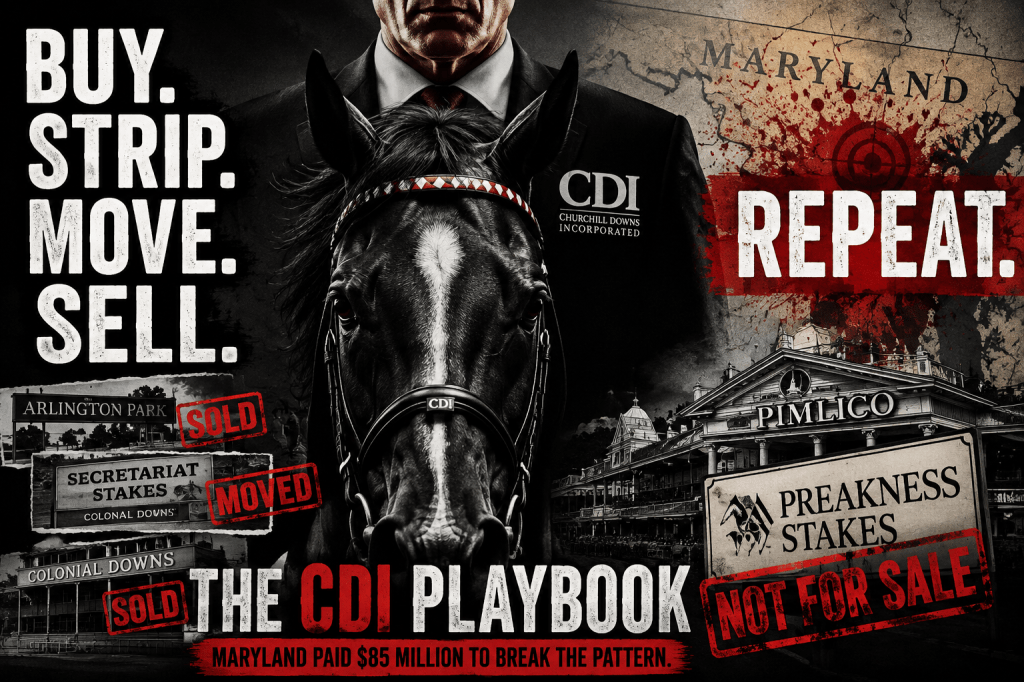
What CDI Does With Tracks It Owns
Churchill Downs Incorporated (CDI) has a documented strategy for acquiring and managing racetracks, evident in its closure of Arlington Park and relocation of prestigious races to Colonial Downs. Maryland’s $85 million investment to secure the Preakness IP aimed to prevent such an outcome, ensuring the race’s future remains tied to its heritage, not CDI’s corporate…
-
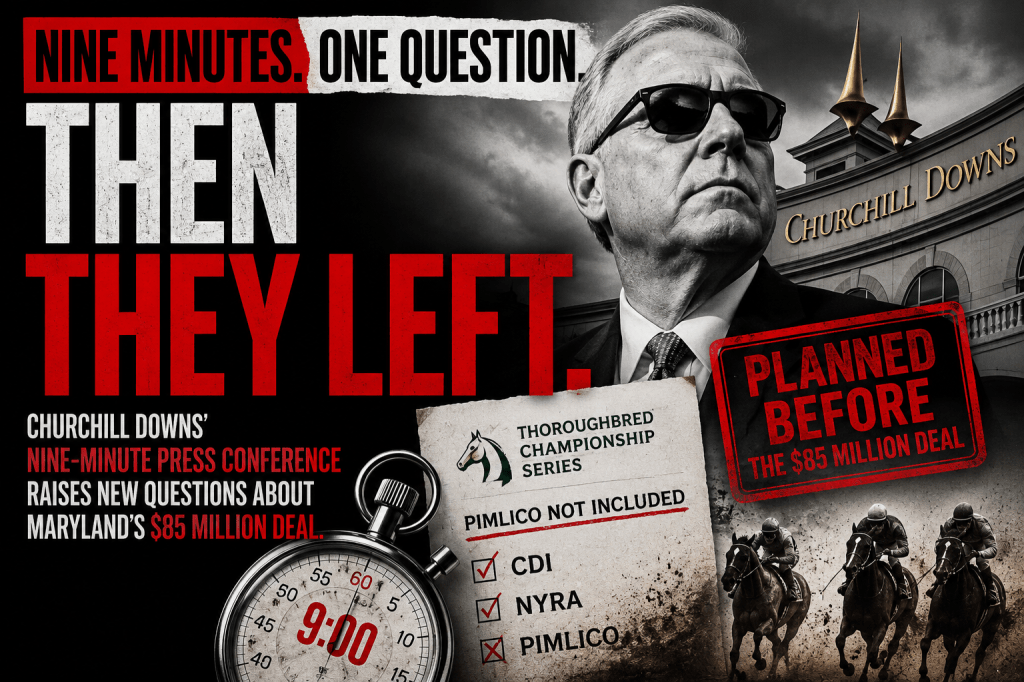
Nine Minutes. One Question.
The press conference by CDI and NYRA lasted only nine minutes, addressing their new Thoroughbred Championship Series, which excludes Maryland’s Preakness. This prompted criticism regarding the lack of communication and potential negative impact on the Triple Crown. Maryland may face challenges if included in the series under CDI’s terms.
-
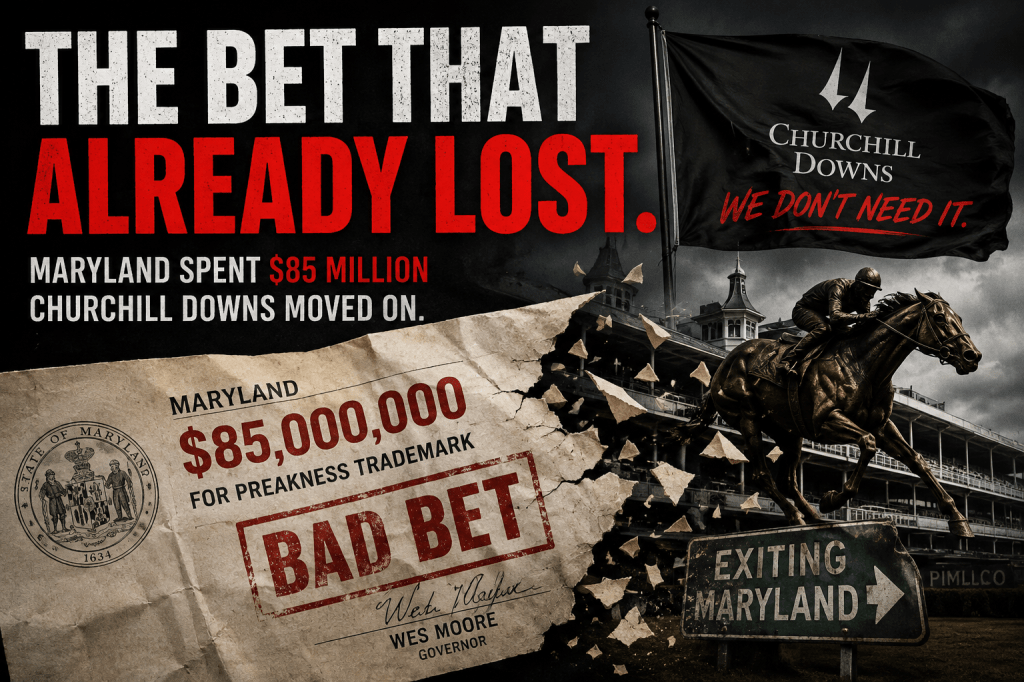
The Bet That Already Lost
Governor Wes Moore’s $85 million investment in Preakness Stakes’ intellectual property failed as Churchill Downs built a competing championship series, omitting the Preakness. CDI strategically divested remaining Maryland properties, indicating its departure from the state. Maryland’s efforts to secure horse racing prominence were undermined, raising concerns about governance and operational competency.

