Author: Michael Phillips
-
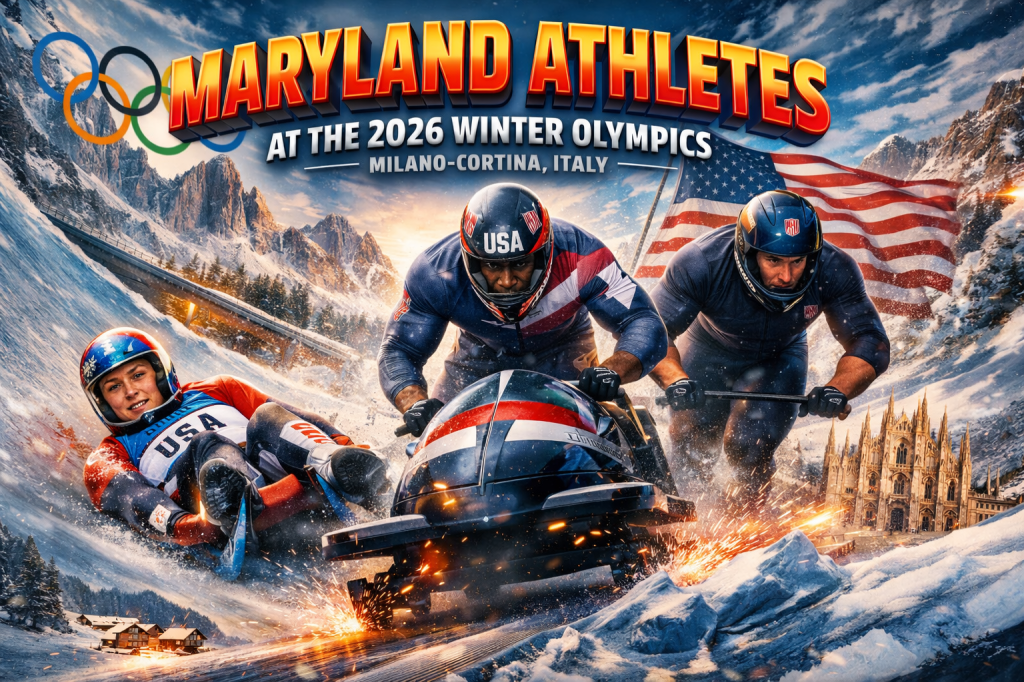
Maryland Athletes Take the Olympic Stage at Milano Cortina 2026
The 2026 Winter Olympics in Milano Cortina feature three Maryland athletes representing Team USA: Summer Britcher in women’s singles luge, and bobsledders Bryan Sosoo and Carsten Vissering making their Olympic debuts. Despite Maryland’s lesser-known status in winter sports, these competitors highlight the state’s unique contributions to the Games.
-

Maryland Cuts Sports Event Funding — And Pimlico Is Paying the Price
Maryland lawmakers are cutting funding for sports and tourism, negatively impacting events like the 5 Star at Pimlico. This shift raises concerns about economic tradeoffs and undermines local job creation and tourism revenue. Critics argue these cuts jeopardize long-term competitiveness as other states continue to invest in sports tourism.
-
HB63: Fairness in Girls’ Sports Act Sparks Fresh Clash in Annapolis
The Fairness in Girls’ Sports Act (HB63) is being debated in the Maryland General Assembly. Introduced by Kathy Szeliga, it mandates designating school sports and locker rooms based on biological sex. Supporters emphasize fairness, while opponents cite discrimination. The bill’s history reflects ongoing tensions over transparency and inclusion in legislative discussions.
-
Trump Administration Celebrates American Greatness With Motor Racing in the Nation’s Capital
The Trump administration is promoting American motorsports through the Freedom 250 Grand Prix of Washington, D.C., highlighting motorsport as a celebration of innovation and national pride. This initiative aims to boost the economy, support American industry, and reflect a broader philosophy of embracing national strengths amidst regulatory pressures.
-
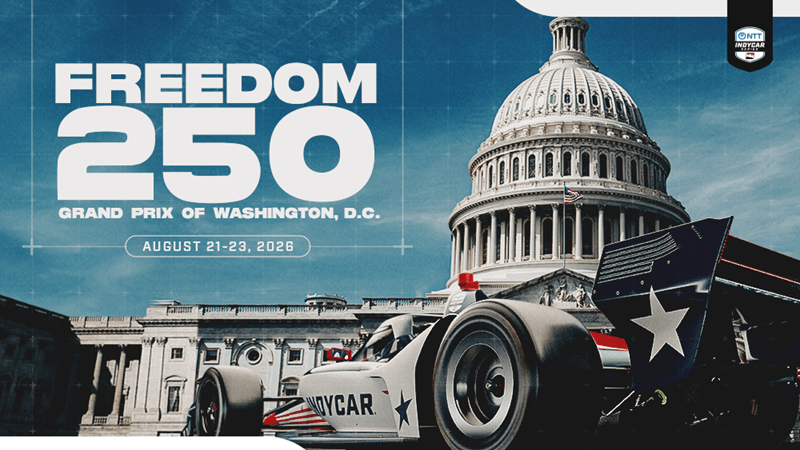
Trump Administration Brings American Motorsports Spotlight to the D.C.–Maryland Region
The Trump administration is promoting American motorsports through the Freedom 250 Grand Prix, aiming to highlight innovation and economic strength. This initiative will benefit Maryland communities by boosting tourism and supporting local businesses, while reframing automotive culture positively as a symbol of craftsmanship and freedom amidst current economic challenges.
-
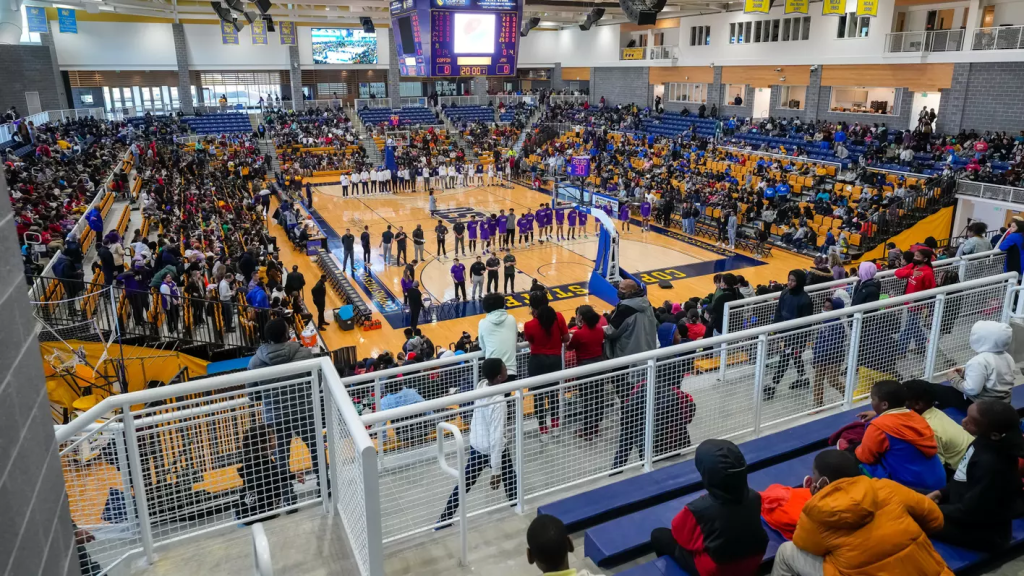
Federal Point-Shaving Probe Puts Maryland College Basketball Schools on the Radar
Maryland has largely avoided sports betting scandals, but a federal indictment has linked Coppin State University to a national investigation involving match-fixing in college basketball. Allegations include point-shaving schemes implicating players across 17 programs. While no Maryland institutions face major charges, the case highlights risks posed by legalized gambling in college sports.
-
Tuberville Draws Line Ahead of Supreme Court Showdown on Women’s Sports
As the Supreme Court weighs challenges to state laws protecting women’s sports, Senator Tommy Tuberville frames the debate as one of fairness and common sense—not partisan politics. The ruling could reshape Title IX and athletic policy nationwide.
-
When Bureaucracy Meets Baseball: Is the Government Overreaching on the Athletics’ Trademark?
The Oakland Athletics face trademark hurdles as they prepare to relocate to Las Vegas, with the USPTO denying their applications for “Las Vegas Athletics” on grounds of geographic descriptiveness. Despite their century-long identity, they cannot register the name until they play there, highlighting bureaucratic rigidity versus brand recognition.
-
What College Football Owes Its Fans
College football transcends mere sport, embodying tradition and community. However, modern changes like the transfer portal and NIL disparities disrupt the bond with fans. They demand continuity, identity, competitive fairness, honesty, and respect. The sport must recognize fan investment to maintain its cultural significance and avoid becoming a collection of transient athletes.
-
Stop Calling Them “Conferences”: The Power Two, the Oregon–JMU Reality, and College Football’s Semi-Pro Truth
The commentary by Michael Phillips emphasizes that college football has shifted from amateur competition to a money-driven system dominated by the SEC and Big Ten, now seen as “cartels.” This structural advantage leads to unequal opportunities, as demonstrated in the Oregon-James Madison game, highlighting economic disparities that favor wealthier programs.

