Tag: Pimlico redevelopment
-
The Commission Was Silent. A Soldier Wasn’t.
Maryland’s Racing Commission met for the first time since significant changes in the horse racing schedule, mostly remaining silent on pressing issues. Retired Colonel Damon Knauss criticized the commission’s lack of action and proposed moving the Preakness to April to enhance its importance. His comments highlighted the need for proactive responses to recent challenges.
-
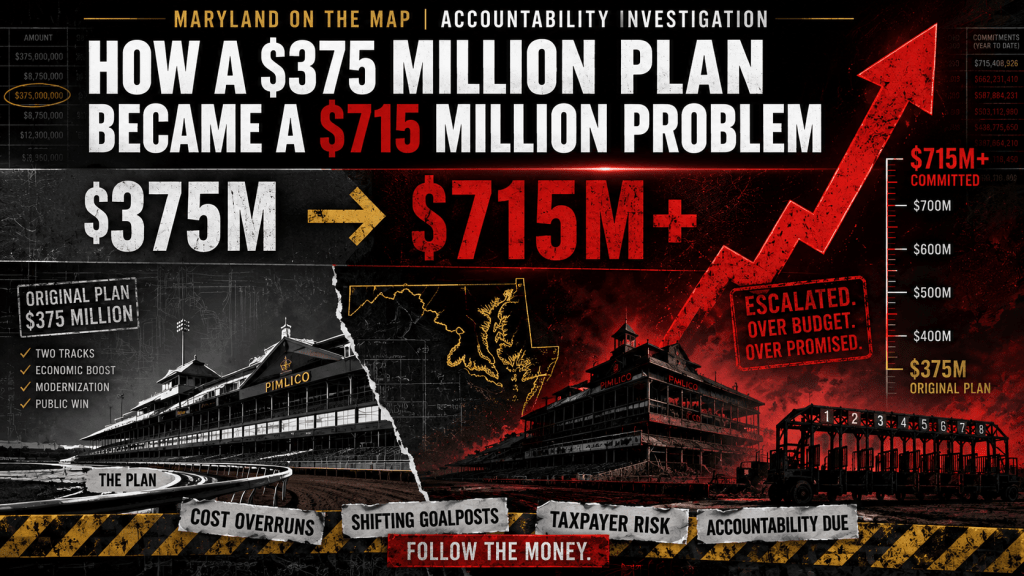
How a $375 Million Plan Became a $715 Million Problem
Maryland’s horse racing redevelopment plan escalated from $375 million to over $715 million through five decisions made without public cost-benefit analyses. Key decisions included concentrating racing at a rebuilt Pimlico, abandoning Shamrock Farm, purchasing Laurel Park, and acquiring the Preakness IP, all while lacking transparency and accountability.
-
What Maryland Didn’t Consider
The Preakness announcement led to a new broadcast deal and date but did not resolve sixteen existing issues—eight created by Maryland and eight inherited from the industry. Key problems include reduced betting handle on Sundays and competition with major events like the PGA Championship, requiring Maryland to address structural shortcomings for racing’s future.
-
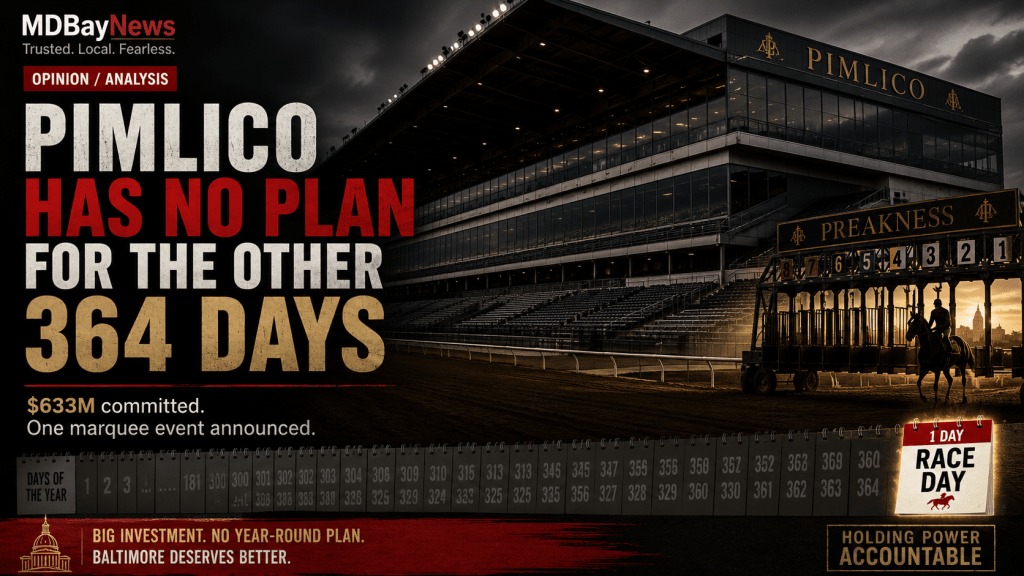
Pimlico Has No Plan for the Other 364 Days
The new Pimlico Race Course, meant to be a year-round economic hub, currently supports only the Preakness Stakes, raising concerns about its long-term viability. Despite significant investments, no substantial programming or events are announced for the remaining 364 days, provoking skepticism among local residents and officials regarding its projected economic impact.
-
What Moore Announced — And What Comes Next
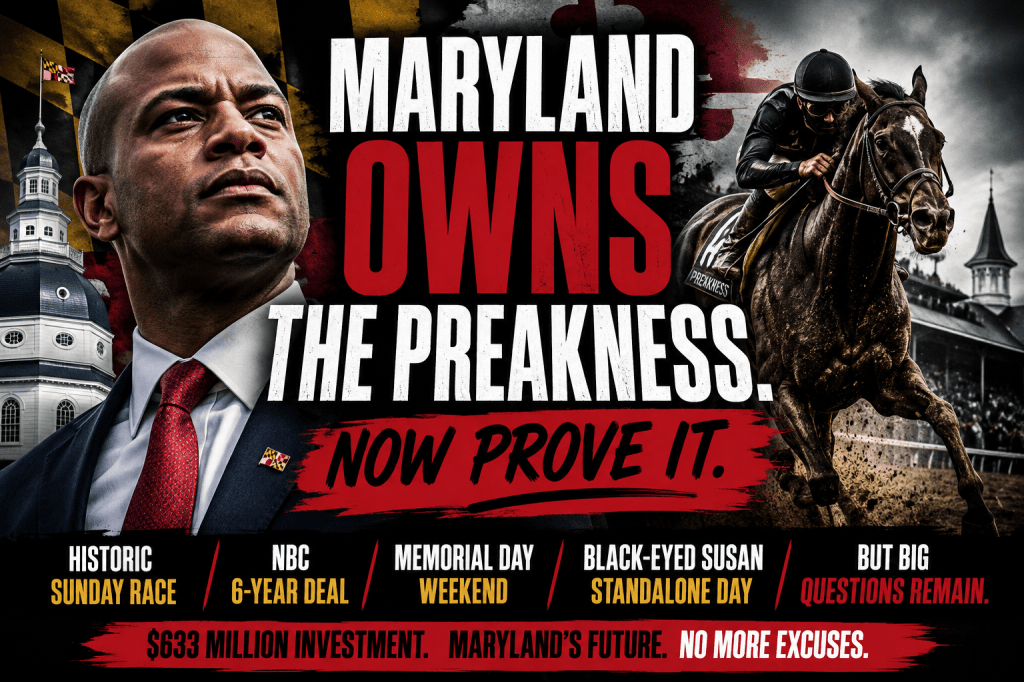
Governor Wes Moore’s press conference outlined major updates for the Preakness Stakes, including a historic Sunday date and a broadcasting deal with NBC through 2032. While the announcements were substantial, concerns about governance, competition with new racing series, and the economic implications for Maryland’s $633 million investment remain unaddressed.
-
The Governor Bought a Horse Race
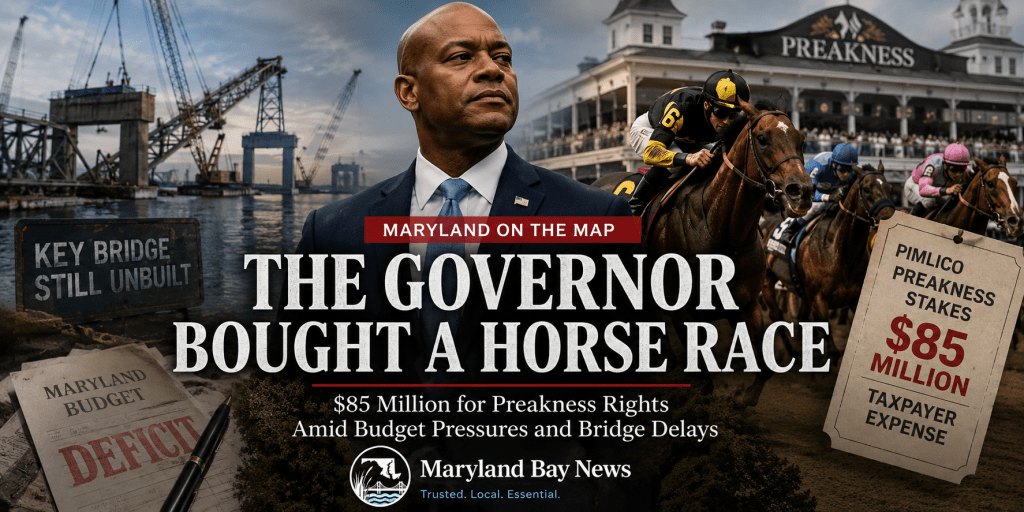
Governor Wes Moore’s administration committed $85 million in taxpayer funds to acquire the Preakness Stakes brand, amid rising costs and budget deficits in Maryland. Critics argue this move prioritizes political gain over essential infrastructure needs and question the governance and management of this state-owned commercial property, with significant financial risks involved.
-
Maryland Is Bleeding Money. Voters Have a Choice.
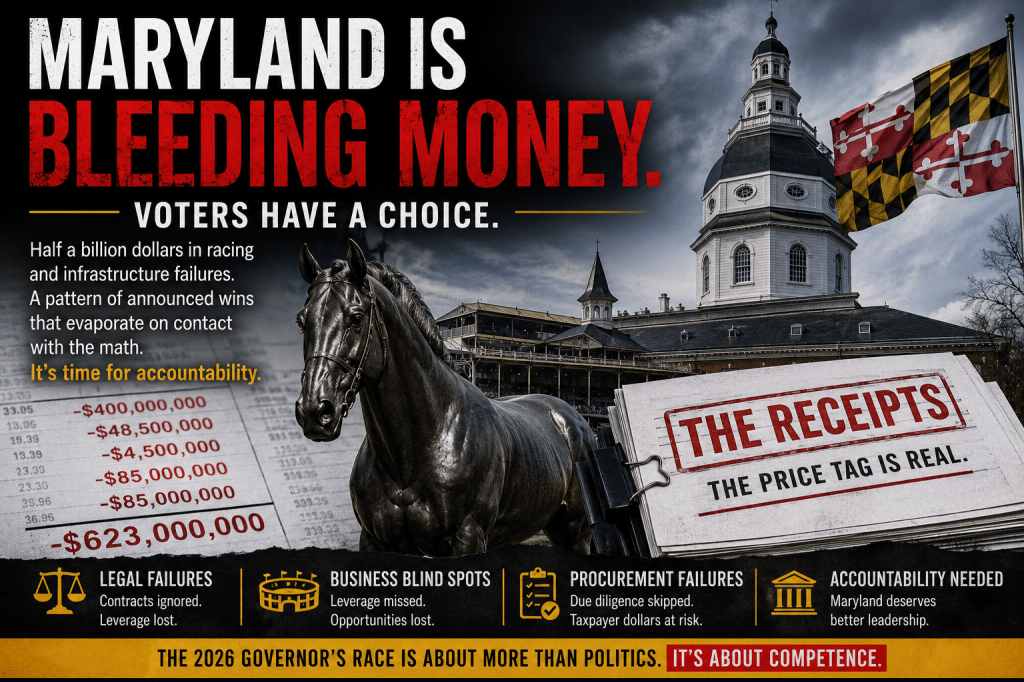
Maryland’s upcoming Republican primary reveals significant governance failures under Wes Moore’s administration, particularly regarding costly public investments in racing. The state faces scrutiny over mismanaged deals like the Churchill Downs acquisition. Republican candidates Dan Cox, Ed Hale, and John Myrick offer specialized skills to address these procurement and legal issues, challenging Moore’s record.
-
The Preakness Doesn’t Need the Derby Winner. It Needs a Reason to Matter.
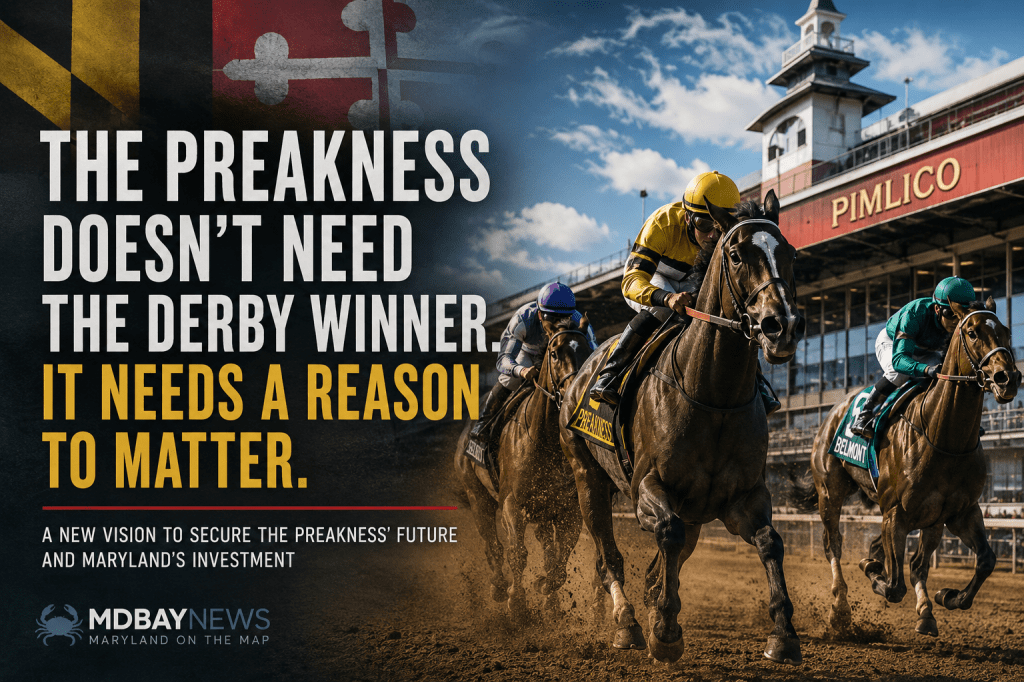
Golden Tempo will skip the Preakness Stakes for health reasons, highlighting a broader issue in Maryland’s horse racing industry. The current Triple Crown format relies too heavily on Derby winners, diminishing the Preakness’s significance. A proposed championship structure could enhance its value and attract competitors, ensuring it remains relevant regardless of Derby participation.
-
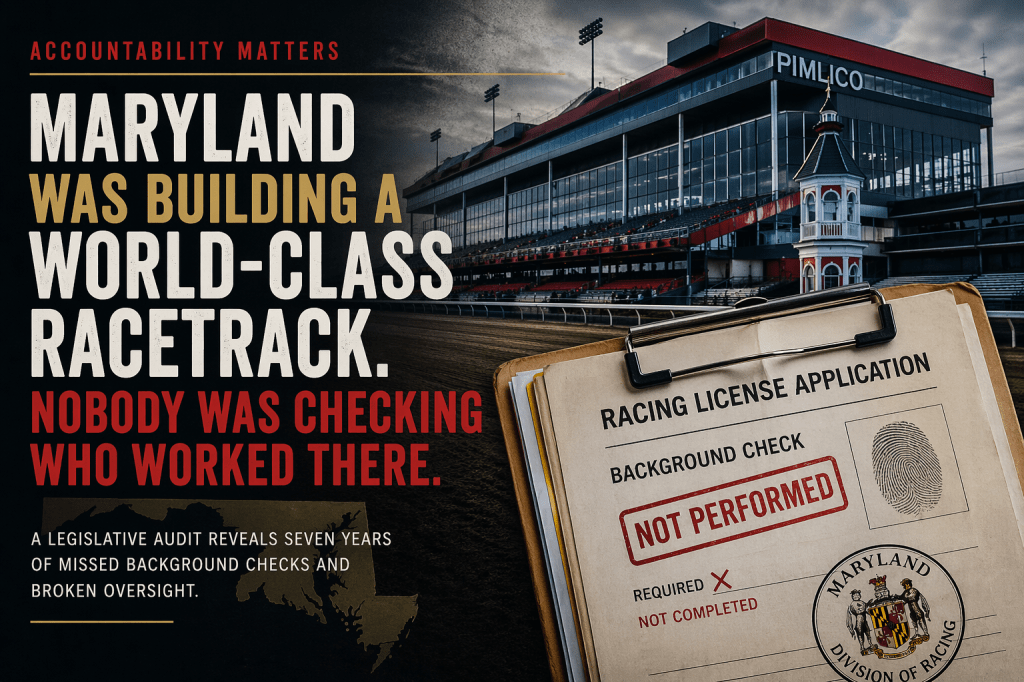
Maryland Was Building a World-Class Racetrack. Nobody Was Checking Who Worked There.
A Maryland audit revealed that the Division of Racing issued nearly 6,000 licenses annually without conducting required criminal background checks since 2018, due to a broken fingerprinting machine. The lack of oversight allowed individuals with criminal histories to be licensed, raising concerns over agency accountability amidst significant state investment in the horse racing industry.

